
Psychotherapy, Counselling & Somatic Therapy in Singapore
Manage your Mental & Emotional Health
Counselling & Psychotherapy or Coaching can help individuals learn coping mechanisms and strategies for managing their symptoms and improving their overall quality of life.
They can also gain a better understanding of themselves and their emotional needs, leading to greater self-awareness and self-acceptance. Therapy can be particularly effective for those struggling with anxiety, depression, trauma, and other mental health conditions.
There's no single "right" therapist, and finding someone who fits your needs can take time, openness, and a little trial and error. Find a therapist for you.
How to work with us:
Psychotherapy & Counselling
Ongoing work, at whatever pace suits you.
Where most people start Counselling & Psychotherapy A space to understand what's happening, and why.
Therapy can be a powerful tool for identifying and addressing what sits underneath how you've been feeling. Our therapists work across a range of approaches, and the right one depends on you rather than on us — we'll find it together in the first few sessions.
Particularly suited to those navigating trauma, stress, or life transitions who feel stuck or disconnected from their bodies and their experiences.
Our counsellors work with a somatic lens — talking, but attentive to what the body is doing while you talk. If you've tried therapy and felt that talking alone wasn't where the relief was, this is worth reading: Why your counsellor should understand your body, too.
From $180 · 50 minutes · depending on seniority of therapist · sliding scale available
Book nowClinical Hypnotherapy For chronic pain, and symptoms tied to stress.
Clinical Hypnotherapy uses focused attention, deep relaxation and guided imagery to work with the connection between mind and body. At Soma Haus it is offered primarily to support chronic pain management and psycho-neuro-immunology (PNI) — how psychological states, the nervous system and the immune system interact.
Sessions draw on hypnoanalgesia — the use of hypnotic suggestion to change how pain signals are experienced. Clients often report reduced intensity, greater tolerance, and less emotional distress around their symptoms.
It is not the stage-hypnosis stereotype. It's a collaborative process, and you learn techniques you can use on your own between sessions, giving you more say over symptoms that can otherwise feel outside your control.
Particularly suited to those who have found medical treatment alone insufficient, who want an active part in managing symptoms alongside their existing care, or who want to support the success of an upcoming procedure.
$200 · 50 minutes · sliding scale available
Book nowSubsidised Student Counselling The same work, at a rate students can meet.
Whether you're dealing with academic stress, anxiety, depression or the ordinary difficulty of a period of change, student counselling offers the same therapeutic work at a subsidised rate.
$50 · 50 minutes · students only
Book nowApproaches we draw on within sessions
Our therapists work eclectically, drawing on CBT, ACT, EMDR, somatic therapy, Jungian sandplay, tapping and more within your sessions rather than as separate bookings. Each is set out under Which therapeutic modality is right for me? below.
Assessment
One-off, and you leave with a report.
Diagnostic Assessments Understanding what's actually going on.
For adults and children. Diagnostic assessments are crucial in understanding an individual's cognitive, emotional, social and behavioural functioning — and in giving a name to something that may have gone unnamed for a long time.
$250 per hour · sessions typically 60–90 minutes · sliding scale available
Book nowPsychometric Assessments A detailed picture, and a report you can use.
For adults and children. Psychometric assessments provide detail about cognitive strengths and difficulties, helping to inform tailored supports, interventions and next steps. The report can be used to request accommodations within school or work settings.
$300 per hour · 3–6 hours depending on the client · sliding scale available
Book nowGroup Work
Group Therapy & Support Groups
For people living with chronic pain or chronic illness. Some things only land when you hear them from someone living the same thing.
Group Therapy for Chronic Pain & Chronic Illness
A small, structured group exploring how pain, emotions and the nervous system connect. You leave with practical regulation tools. Works alongside individual therapy.
Dates & sign upTender Support Group
A space to share experiences and support one another, without judgement. Free to attend; donations go to the Sliding Scale Programme.
Next date & sign upGroup work isn't a substitute for individual care. If you're in crisis or need immediate support, book a discovery call instead. A short intake form comes before either group.
Mind and body are worked with together here, not in separate rooms. Our psychotherapists work alongside our physiotherapists and bodyworkers, so nothing gets treated in isolation.
Psychotherapy & Counselling
Ongoing work, at whatever pace suits you. Our therapists work eclectically, drawing on the approaches set out below.

Counselling & Psychotherapy
From $180 (50 mins) | Depending on seniority of therapist | Sliding scale available
Therapy can be a powerful tool for identifying and addressing common mental health challenges, and the impact their symptoms have on our emotional, physical and social well-being.
Our clinicians draw on a range of evidence-based therapeutic models to create a holistic approach tailored to each client's needs.
Who it's for
- Navigating trauma, stress, or a period of transition
- Feeling stuck, or disconnected from your body and your own experience
- Wanting to understand what sits underneath the symptoms, not only manage them

Clinical Hypnotherapy
$200 (50 mins) | Sliding scale available
Focused attention, deep relaxation and guided imagery, used to work with the connection between mind and body. Offered here primarily for chronic pain management and psycho-neuro-immunology.
A collaborative process, not the stage-hypnosis stereotype — you learn techniques you can use on your own between sessions.
Who it's for
- Living with chronic pain where medical treatment alone hasn't been enough
- Wanting an active part in managing symptoms alongside existing care
- Preparing for a procedure, and wanting to support its outcome

Student Counselling (Subsidised)
$50 (50 mins) | Students only
The same therapeutic work as our standard counselling, at a rate students can meet. Sessions are held at both clinics and run to the same 50 minutes.
Who it's for
- Academic stress, or pressure that has stopped feeling manageable
- Anxiety, low mood or depression during study
- The ordinary difficulty of a period of change
Psychological Assessments
One-off, for adults and children, and you leave with a report you can use.

Diagnostic Assessments
$250 per hour | 60–90 mins | Adults & children
A comprehensive evaluation of cognitive, emotional, social and behavioural functioning, used to identify the underlying causes of stress, mood changes, attention difficulties or other challenges.
Often associated with children and adolescents, but equally important for adults — some conditions only become apparent later in life.
Guided by a registered clinical psychologist. You leave with clarity, direction and tailored recommendations.
Who it's for
- Noticing changes or experiences that are distressing, and wanting to know why
- Adults whose difficulties have gone unnamed for a long time
- Anyone who wants a clear starting point before deciding on treatment

Psychometric Assessments
$300 per hour | 3–6 hours | Adults & children
A detailed picture of cognitive functioning, learning ability and neurodevelopmental profile. Identifies specific learning disorders, ADHD and autism, and includes IQ testing where relevant.
The written report can be used to request accommodations at school or work, or to support a special school placement.
Guided by a registered clinical psychologist. Each assessment is tailored to the individual, with evidence-based recommendations.
Who it's for
- Children and adolescents struggling with academic performance, concentration or suspected learning difficulties
- Students who need access accommodations or a special school placement
- Anyone showing signs of ADHD or autism
- Adults and older adults with changes in memory or processing, including dementia, brain injury and neurological conditions
- Employees seeking cognitive evaluation for workplace adjustments or compensation claims after injury or illness
Which Therapeutic Modality is Right For Me?
Choosing the right counselling modality can feel overwhelming, but it often comes down to what feels most relevant to your current needs and how you like to process. Some approaches focus on thoughts and behaviours (like CBT), others on the body and trauma (like somatic therapy or EMDR), or on relationships and attachment patterns. What matters most is feeling safe, heard, and supported.
Therapists at Soma Haus adopt an eclectic approach, integrating multiple modalities to meet you where you are. You don’t need to get it perfect but we highly recommend starting with a discovery call or the first few sessions to help you find the best fit for your journey.
Acceptance and Commitment Therapy (ACT)
Accepting thoughts and feelings rather than fighting them, and moving toward what matters to you. Part of the third wave of CBT.
Attachment-Based Therapy
How the attachments formed with parents and caregivers carry into adulthood, and shape how you relate now.
Cognitive Behavioural Therapy (CBT)
The most researched approach in psychotherapy, with sixty years of evidence behind it. Used for anxiety, depression, stress and trauma.
Clinical Hypnotherapy
Focused attention and guided relaxation, offered here primarily for chronic pain and symptoms closely tied to stress and the nervous system.
EMDR and MEMI
Working with distressing memories using bilateral stimulation, at a pace you set.
Emotion Focused Therapy
Emotions treated as guides carrying real information about your needs and values, rather than as problems to manage.
Emotional Freedom Techniques (Tapping)
Focused attention on a difficulty paired with light tapping on acupressure points. Simple enough to use on your own between sessions.
Expressive and Creative Therapies
Working through image, material and movement when words aren't the easiest way in.
Gottman Method
For couples
Research-based couples work on the patterns that determine whether a relationship thrives or struggles.
Jungian Sandplay & Psychotherapy
A tray of sand and a collection of small figures, working symbolically rather than through explanation. For when talking hasn't shifted things.
Mindfulness-Based Approaches
Working with the link between thoughts, emotions and the body, drawing on MBCT and related practices.
Somatic Therapy
Body-oriented counselling, working with what is held in sensation, posture and the nervous system as well as in thought.
A Multidisciplinary Approach to Health & Well Being
It’s important to note that therapy is not a one-size-fits-all approach. A holistic approach may include a combination of body-based therapy, mental health approaches, as well as alternative approaches such as sound bath meditation, breathwork, yoga and more. By working collaboratively with a therapist, individuals can feel empowered to take an active role in their overall well-being.
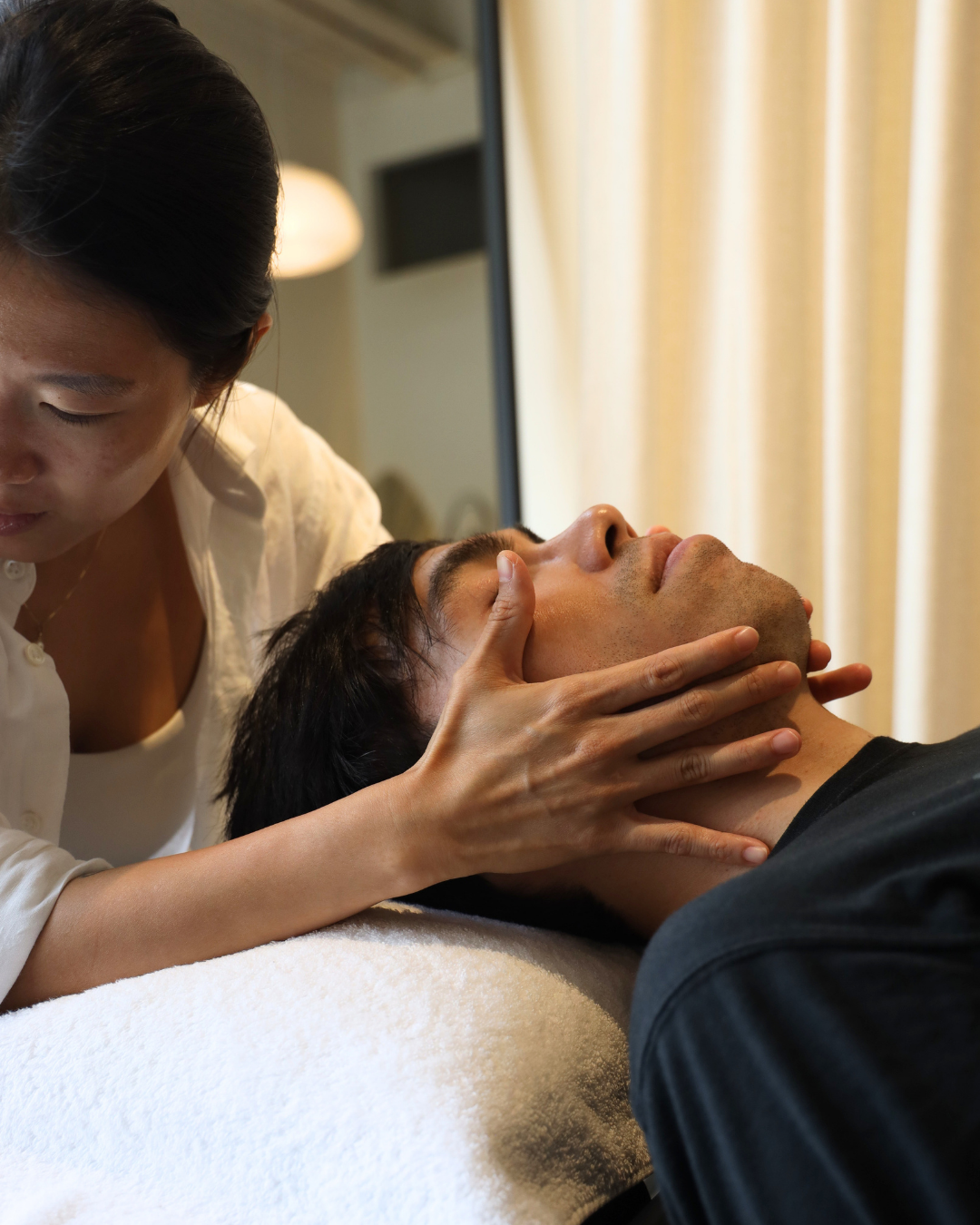
Physical Therapy & Bodywork
Therapy is not a one-size-fits-all approach. Our psychotherapists work alongside physiotherapists and bodyworkers, so what you're carrying can be met in the body as well as in conversation.
Explore physical therapyCounselling & Psychotherapy Focus Areas
-
Anxiety and depression are two of the most common reasons people seek counselling. They can affect anyone, at any stage of life. Anxiety may feel like constant worry, restlessness, or fear of the future, while depression can bring persistent sadness, hopelessness, or a lack of energy and motivation. Both can interfere with work, relationships, and daily life, making it difficult to cope.
You may benefit from counselling for anxiety or depression if you are:
Feeling persistently sad, hopeless, or empty
Struggling with worry, overthinking, or fear that won’t go away
Experiencing changes in sleep, appetite, or energy levels
Withdrawing from relationships or losing interest in activities you once enjoyed
Battling self-criticism, guilt, or feelings of worthlessness
Coping with anxiety or depression alongside chronic pain or illness
Our counsellors regularly work with clients experiencing anxiety and depression, and understand how these conditions can intertwine with other life challenges. Therapy can help you make sense of your emotions, regulate stress, and begin to shift the thought patterns that keep you feeling stuck.
-
Burnout is common among executives, professionals, caregivers, and those living with chronic pain or illness, where the demands on body and mind never seem to let up.
Counselling provides a safe space to pause, reflect, and rebuild a healthier relationship with work, responsibility, and self-care.
You may benefit from burnout and recovery counselling if you are:
Feeling emotionally, mentally, or physically exhausted
Struggling with sleep, motivation, or concentration
Experiencing cynicism, irritability, or disconnection from others
Finding it difficult to balance work, family, and personal needs
Feeling “stuck” in cycles of stress without relief
Living with chronic pain or illness that intensifies fatigue and overwhelm
Our counsellors work in a multidisciplinary way by integrating counselling and stress management strategies to regulate your nervous system, set healthier boundaries, and restore energy.
-
Caring for a loved one, whether a parent, child, partner, or friend can be deeply meaningful, but it can also be overwhelming. Many caregivers find themselves stretched thin, balancing the needs of others with their own work, family, and health. Over time, this can lead to exhaustion, stress, guilt, or feelings of isolation.
Caregiving often brings unique challenges: watching someone you love struggle, making difficult decisions, and carrying responsibilities that can feel never-ending. For those supporting someone with chronic pain or chronic illness, the emotional and physical toll can be especially heavy.
You may benefit from counselling for caregivers if you are:
Feeling burnt out, exhausted, or emotionally drained
Struggling with guilt about your limits or the quality of care you can provide
Experiencing stress, anxiety, or low mood related to caregiving
Finding it difficult to balance caregiving with work, family, or personal needs
Feeling alone or unsupported in your role
Coping with grief, anger, or helplessness as you watch a loved one suffer
Our counsellors understand the unique pressures faced by caregivers, and many of the clients we support are navigating this role alongside other challenges such as grief, chronic illness, or stress. Therapy offers a safe, supportive space to explore your feelings, learn healthy coping strategies, and reconnect with your own needs.
-
Living with chronic pain or chronic illness can affect far more than the body. It often impacts mood, sleep, work, relationships, and overall quality of life. When symptoms persist, they can feel exhausting, isolating, and overwhelming. Over time, the ongoing struggle may lead to stress, anxiety, or depression, making the experience even harder to manage.
Counselling offers a space to address not just the physical challenges, but also the emotional and psychological impact of living with long-term conditions. By exploring the mind–body connection, therapy can support you in building resilience, developing healthier coping strategies, and finding new ways of relating to your experience.
You may benefit from counselling for chronic pain and illness if you are:
Feeling overwhelmed or hopeless about ongoing symptoms
Experiencing stress, anxiety, or low mood linked to your condition
Struggling with sleep, fatigue, or lack of energy
Feeling isolated or misunderstood in your experience
Frustrated with the impact on daily activities, independence, or relationships
Wanting to explore coping strategies beyond medical treatment alone
Our counsellors have extensive experience supporting clients who live with chronic pain and chronic illness. In fact, many of the people we work with are navigating these challenges, and we understand the unique emotional and practical difficulties that come with them.
While chronic pain or illness may not disappear overnight, therapy can help reduce its hold over your life. With the right support, you can learn to better regulate stress, reframe unhelpful thought patterns, and create space for greater ease and balance.
-
Emotions are a natural and vital part of being human, but at times they can feel overwhelming or difficult to manage. Intense anger, sadness, anxiety, or shame can show up in ways that disrupt daily life, relationships, or our sense of control. When emotions remain unprocessed, they may surface as stress in the body, impulsive reactions, or patterns of avoidance that keep us feeling stuck.
You may benefit from counselling for emotional regulation if you are:
Struggling with intense mood swings or emotional outbursts
Feeling easily triggered, overwhelmed, or shut down
Experiencing difficulty calming yourself during stressful situations
Turning to avoidance, withdrawal, or unhealthy coping behaviours
Struggling with relationships due to how emotions are expressed
Living with chronic stress, pain, or trauma that impacts your nervous system
Through therapy, you can learn strategies to regulate your nervous system, recognise patterns that no longer serve you, and develop more balanced ways of responding to life’s challenges.
-
Loss is one of life’s most difficult experiences. Whether it is the passing of a loved one or pet, the end of a relationship, divorce, loss of health, a job, or even changing family dynamics such as aging parents, grief is a natural response to something deeply valued being taken away.
The emotions that follow can feel overwhelming - sorrow, pain, anger, guilt, or a sense of emptiness that seems endless. Everyone’s grieving process is unique, but without support, it can feel isolating and unbearable.
You may benefit from grief therapy if you notice:
Struggling to cope after a major loss
Feeling stuck in denial, numbness, sadness, or anger
Anxiety, nervousness, or ongoing fear since the loss
Conflicting emotions about the meaning of the loss
Difficulty expressing emotions or feeling emotionally shut down
Overwhelming guilt related to the loss
Grieving has no set timeline and no single “right way” to heal. Counselling and psychotherapy focused on grief, offers a safe, compassionate space to process your emotions at your own pace, find meaning in your experience, and gradually move toward acceptance and integration.
With the right support, it is possible to honour your loss while also rediscovering balance, hope, and connection in your life.
-
Individual counselling and psychotherapy is tailored to address the specific issues you’re facing. Whether you’re facing anxiety, dealing with trauma, personal health crisis, or going through relationship separation or dealing with relationship conflict, this service is for you.
Perhaps you’d like to pursue self-enrichment or deepen your emotional awareness. Maybe you need ideas on how to support a loved one with an addiction or mental health difficulties.
Individual counselling is intended to meet you where you’re at and give you the kind of dynamic, individualised support you need.
-
Finding acceptance, safety, and understanding can be challenging in a world that doesn’t always validate your identity. LGBTQ+ Affirming Therapy offers a supportive space to explore your experiences, navigate challenges, and connect with your authentic self.
Our therapists provide compassionate support around a wide range of concerns, including:
Identity exploration and self-acceptance
Coming out and navigating disclosure
Relationship and intimacy challenges
Anxiety, stress, and tension
Feelings of isolation or minority stress
Depression or low mood
Family or community conflict
Experiences of discrimination, harassment, or trauma
Grief, loss, or life transitions
Talking openly in a safe, non-judgmental space can help you process emotions, clarify your values, and strengthen resilience. Therapy fosters self-awareness, self-compassion, and empowerment, helping you build healthier relationships, both with yourself and with others.
-
Many men find themselves balancing family responsibilities, career demands, and personal goals, often leading to stress, anxiety, or feelings of dissatisfaction.
Without the right support, coping can sometimes take the form of unhealthy patterns, such as alcohol, substance use, or strained relationships.
You may recognise yourself in some of these experiences:
Working excessively or feeling consumed by your job
Lacking emotional support from family or friends
Carrying the burden of financial responsibility alone
Feeling unhappy with the path your life has taken
Seeing personal dreams and ambitions left unfulfilled
If two or more of these resonate with you, therapy can be a valuable opportunity to pause, re-examine, and realign with what truly matters.
Working with a therapist experienced in supporting men can help you explore new perspectives, develop healthier coping strategies, and strengthen your sense of direction.
Therapy can guide you through self-doubt and negative thoughts, empowering you to live with more confidence, balance, and fulfilment.
-
Finding a voice and being truly heard can be challenging for many women, especially in a society where expectations to balance family, work, and personal life often feel overwhelming.
Counselling for women offers a safe space to reflect on the past, navigate the present, and begin shaping the future you want.
Our therapists provide compassionate support and understanding around a wide range of concerns, including:
Depression and persistent low mood
Feelings of loneliness or isolation
Issues with self-esteem and self-worth
Difficulties with assertiveness and boundaries
Struggles with control in daily life
Anxiety, tension, and stress
Relationship challenges
Experiences of emotional, physical, or sexual abuse
Disordered eating patterns
Family-of-origin issues
Grief, bereavement, or loss
Talking openly about what you’re going through can help bring clarity to your emotions, beliefs, roles, and behaviours.
Therapy is a process that fosters deeper self-awareness, acceptance, and a stronger sense of empowerment, supporting you to make healthier choices for yourself and your relationships.
-
Being a student can be both exciting and overwhelming. Balancing studies, friendships, family expectations, and future plans often brings stress, anxiety, or self-doubt. For some, it may also stir up challenges around identity, relationships, or mental health that feel difficult to manage alone.
Counselling provides a safe, confidential space to talk through these pressures, explore emotions, and build coping strategies. Whether you’re dealing with academic stress, anxiety, depression, loneliness, or uncertainty about the future, therapy can help you develop resilience, confidence, and clarity.
Counselling for students can support you if you are:
Struggling with exam stress or academic pressure
Feeling anxious, low, or isolated
Managing conflict with friends, family, or peers
Coping with identity, self-esteem, or relationship challenges
Unsure about your next steps or future direction
You may qualify for the student rate if you:
Are currently enrolled in a school, college, polytechnic, or university
Can provide a valid student ID or proof of enrolment
Are studying full-time or part-time while balancing academic demands with personal life
This rate is designed to support students who may not have the financial means to pay full counselling fees, but who want to prioritise their mental health and wellbeing.
-
Counselling isn’t only for times of crisis, it can also be a powerful space for self-exploration, personal development, and growth. Many people seek therapy not because something is “wrong,” but because they want to understand themselves more deeply, uncover their strengths, and live with greater authenticity.
The process of self-discovery allows you to reflect on your values, beliefs, and patterns of behaviour. With greater awareness, you can make conscious choices about how you want to live, relate to others, and move toward a life that feels aligned with your true self.
Counselling for personal discovery and growth may support you if you want to:
Gain deeper self-awareness and clarity about who you are
Explore your values, passions, and purpose
Identify unhelpful patterns or limiting beliefs
Strengthen self-confidence and resilience
Improve relationships and communication
Develop healthier coping strategies for stress and challenge
Cultivate a stronger sense of meaning and direction in life
Working with a therapist provides a safe, supportive environment to explore your inner world, ask deeper questions, and try out new perspectives.
This journey of self-growth empowers you to live with more intention, balance, and fulfilment.
-
Life transitions—whether expected or sudden—invite us to pause and re-examine how we are living. Some changes are welcome, others are difficult, but all transitions have one thing in common: they ask us to let go of the familiar and step into the unknown. With this shift often comes resistance, uncertainty, and fear.
A major transition closes one chapter and begins another. This can bring up feelings of doubt, overwhelm, and vulnerability. At times, unprocessed emotions or unmet needs from the past resurface, intensifying the stress of the present moment. When this stress becomes prolonged, it may lead to anxiety or difficulties coping.
You may be experiencing challenges with life transitions if you notice:
Struggling to adjust to a new chapter in your life
Feeling fearful, uncertain, or doubtful about the future
Stress that feels overwhelming or persistent
Anxiety emerging or intensifying during periods of change
Old wounds or unresolved emotions resurfacing in times of transition
Counselling during times of adjustment can provide the tools and support you need to navigate change more confidently. With guidance, you can learn healthier ways to manage stress and anxiety, build resilience, and move through transitions with greater clarity and self-compassion.
Common Conditions We Work With
At Soma Haus, we support individuals dealing with a wide range of health concerns. Using our multidisciplinary and somatic approach that works alongside conventional treatment models to support clients in addressing untreated or overlooked symptoms and accessing the deeper layers of health and well-being.


-
Persistent anxiety can make it feel like your anxious thoughts are intrusive or inescapable and may interfere with your ability to accomplish tasks, enjoy social situations, and relax. Some physical symptoms include increased heart rate, sweating, upset stomach, muscle tension, and shortness of breath.
-
Burnout and fatigue are common consequences of chronic stress, overwork, and emotional strain. They can lead to physical and mental exhaustion, making it difficult to find the energy for daily activities, relationships, or self-care. Burnout often manifests as a sense of depletion, lack of motivation, and an inability to feel fully engaged in life, while fatigue can cause persistent tiredness, reduced productivity, and difficulty focusing.
-
At Soma Haus, we understand the unique challenges faced by those navigating cancer treatment and recovery. The physical and emotional toll of a cancer diagnosis can be overwhelming, and we are here to provide a supportive, nurturing space for healing. Our treatments are designed to complement your medical care and help you manage the stress, fatigue, and emotional strain often associated with cancer.
Through holistic therapies, we aim to reduce anxiety, alleviate physical discomfort, and promote overall well-being. Whether you’re looking to manage treatment side effects, improve sleep, reduce pain, or simply find a moment of peace, our personalised approach focuses on nurturing both the body and mind.
-
Chronic pain and trauma are often closely intertwined, with the body holding onto both physical and emotional wounds. Chronic pain can be a result of past trauma, whether from physical injury, emotional distress, or long-term stress, and can continue to affect one’s quality of life long after the initial event. The impact of trauma on the body can create ongoing tension, inflammation, and pain that is difficult to manage without addressing both the physical and emotional components.
-
We address a range of digestive issues with a holistic approach designed to restore balance and improve overall gut health. These include bloating, constipation, irritable bowel syndrome(IBS), abdominal pain, gastric issues, indigestion, food sensitivities.
-
Grief and loss can stir emotional responses like denial, anger, sadness, and isolation, which not only affect the mind but also have a profound impact on the body. These emotions often manifest physically through tension, fatigue, and changes in appetite or sleep patterns. Navigating these feelings can be challenging, as the body and mind are deeply intertwined in the grieving process, each influencing the other as you work through the experience of loss.
-
Mental health and mood are closely connected to our overall well-being, influencing how we think, feel, and respond to life’s challenges. Mood imbalances, whether caused by stress, trauma, hormonal fluctuations, or mental health conditions like anxiety and depression, can have a profound impact on both emotional and physical health. Poor mental health can lead to feelings of hopelessness, irritability, fatigue, and difficulty managing daily tasks, while also affecting our relationships, self-esteem, and overall quality of life.
Common mood and energy concerns include apathy, a lack of motivation or interest, dysthymia, a persistent low mood, and depression, a mood disorder characterized by persistent feelings of sadness and hopelessness.
These conditions can impact daily functioning and quality of life and require professional support and treatment.
-
We work with clients with a wide range of sleep issues, including insomnia, difficulty falling asleep, staying asleep and brain fog, are often linked to chronic stress, anxiety, and imbalances in the body’s natural rhythms. These disturbances can manifest in various ways, from trouble falling asleep to waking up frequently during the night, and can even lead to feelings of exhaustion and brain fog during the day. Poor sleep not only affects mental clarity and mood but also impacts physical health, including immune function and stress hormone regulation.
-
We focus on treating skin concerns that stem from inflammation and chronic stress, both of which can profoundly affect skin health. Some of the conditions we address include: Rosacea, Eczema, Psoriasis, Hives, Rashes, Redness & Irritation.
-
Chronic stress is a long-term state of heightened stress that can contribute to both physical and mental health issues, including adrenal fatigue, insomnia, anxiety, and depression. Hypertension, or high blood pressure, is a common consequence of chronic stress. When stress is prolonged, the body remains in a constant “fight or flight” state, releasing stress hormones like cortisol and adrenaline, which can constrict blood vessels and increase heart rate. Over time, this sustained pressure can lead to persistent high blood pressure, putting strain on the heart and increasing the risk of heart disease, stroke, and kidney problems.
Our holistic approach helps manage chronic stress and hypertension by addressing the root causes—stress, inflammation, and lifestyle—while improving circulation and fostering emotional well-being.
-
Trauma is both a psychological and physiological response to a distressing or overwhelming event. It can manifest in various ways, including intrusive memories, emotional numbness, avoidance behaviours, and significant shifts in mood and thinking.
Additionally, trauma can alter a person’s physical and emotional reactions, affecting their ability to engage in everyday activities.
Questions people ask us
If yours isn't here, ask — there's no question too small, and nothing you're expected to know before you begin.
How much does therapy cost in Singapore?
At Soma Haus, counselling and psychotherapy start at $180 for a 50-minute session, rising with the seniority of your therapist. Clinical hypnotherapy is $200 for 50 minutes, and student counselling is $50. Diagnostic assessments are $250 per hour and psychometric assessments $300 per hour. A sliding scale is available.
What is the difference between a counsellor, a psychotherapist and a psychologist?
Counsellors and psychotherapists work with you therapeutically over time, and in Singapore may register with the Singapore Association for Counselling. Psychologists hold postgraduate training in psychology, may register with the Singapore Register of Psychologists, and are the practitioners who carry out formal diagnostic and psychometric assessments. Our team includes all three.
Do I need a referral to book therapy or an assessment?
No. You can book counselling, psychotherapy, clinical hypnotherapy or a psychological assessment with us directly, without a doctor's referral. If you have been referred, or have reports from a school, doctor or previous clinician, bring them along — they give your therapist a useful starting point.
How do I know which type of therapy is right for me?
You don't need to decide before you start. Our therapists work eclectically, drawing on CBT, ACT, EMDR, Emotion Focused Therapy, somatic therapy, Jungian sandplay and more, and will find the fit with you across the first few sessions. If you'd rather talk it through first, book a discovery call.
What happens in a first session?
A first therapy session is mostly about what brought you here and what you'd like to be different. There is nothing to prepare and nothing you can get wrong. Assessments work differently — diagnostic sessions run 60 to 90 minutes, and psychometric assessments take three to six hours, sometimes across more than one visit.
Do you assess for ADHD and autism?
Yes. Our psychometric assessments can help identify specific learning disorders, ADHD and autism, and include IQ testing where relevant. The report can be used to request accommodations at school or work, or to support a special school placement. Assessments are available for both adults and children.
Can I claim counselling on insurance or MediSave?
Outpatient counselling at a private clinic is not generally claimable under MediSave. Some private insurance plans and corporate health benefits do cover psychological treatment, depending on the plan and sometimes on whether a referral is involved. We can provide an itemised receipt to support a claim — it's worth checking the specifics with your insurer first.
Is what I say confidential?
What you bring to a session stays between you and your therapist. There are a small number of legal and ethical limits to that, most commonly where there is a risk of serious harm, and your therapist will explain them at the start — so you know where you stand before you share anything.
Where are your clinics?
Soma Haus has two locations in Singapore: 281 Joo Chiat Road, Level 3, and Block 7 Tanjong Pagar Plaza, #02-107. Both are open seven days a week by appointment only.
Not sure where to start? Book a discovery call and we'll talk it through — no pressure, no hard sell.
Sliding Scale Programme
The Sliding Scale is a program that pays-it-forward and supports the power of collective healing. Together, we rejoice in a system that supports our business, you, and many others in need of healing and self-care.
As part of our commitment to become a socially responsible wellness centre that recognises individuals’ varying access to resources, we will be:
Offering a tiered pricing for our treatments (Sliding Scale)
Contributing 1% of our monthly revenue towards the Sliding Scale Program
