
Physiotherapy, Bodywork & Somatic Therapy in Singapore
The body can hold the imprints of stress, chronic pain and trauma. Through physical therapy, manual therapies and movement practices, learn to reconnect with your body, identify tension patterns and release the compounded stress to restore well-being.
Our physical therapy team works alongside our psychotherapists to provide a fully integrated approach that supports mind-body regulation.
How to work with us:
Work with your Body’s Wisdom
Rehabilitation & Movement
A path, usually in this order.
First Physiotherapy Look properly at what's happening, and why.
Physiotherapy is a science-based profession that takes a holistic approach to health and wellbeing. This includes considering your general lifestyle, preferences, and the symptoms presented at hand.
At Soma Haus, we work with people who are dealing with chronic pain and trauma — symptoms carried for a prolonged period of time, which have likely affected day-to-day life physically as well as mentally.
$250 · 50 min · sliding scale available
Book nowThen Clinical Pilates Rebuild strength around what we found.
A private clinical Pilates session using the reformer, led by a licensed physiotherapist and certified BASI Pilates instructor. The session is fully adapted to your body, goals, and movement needs.
Perfect for those seeking focused, expert-led movement therapy to build confidence, reduce pain, and enhance overall well-being.
$250 · 50 min · packages from $200
Book nowOnwards Pilates & Strength Training Keep the ground you've gained.
Our Private Pilates & Strength Training sessions combine the foundations of Pilates with functional strength training to support long-term movement health. Each session is tailored to your unique needs, helping you build strength, stability, and resilience in your daily life.
Perfect for those transitioning from a rehabilitation programme with a physiotherapist and looking for a more sustainable, preventative approach to fitness.
$160 · 55 min · packages from $140
Book nowManual Therapy (Bodywork)
Complementary and supportive — alongside physiotherapy and your medical care, rather than instead of it. Not a sequence, so start wherever your body is asking.
Craniosacral Therapy Help the nervous system find its way down.
Craniosacral Therapy & Biodynamic Craniosacral Therapy (BCST) is a therapy that stems from Osteopathy. It is a gentle and deeply restorative form of bodywork that uses light touch and subtle fascial techniques to support your central nervous system and your body’s innate ability to balance, restore and heal. These sessions are non-invasive and work in tandem with your body’s natural intelligence to help you regulate and self-repair.
Craniosacral Therapy & BCST is a complementary adjunct to physiotherapy. Sessions are fully clothed on the treatment table. You may request the presence of someone you trust should you need additional support or assistance.
Read our practitioner’s guide — what the work involves, and what to expect from a first session.
From $130 · 50 minutes
Practitioner — $130 (50 min) · $160 first visit (75 min)
Senior practitioner — $200 (50 min) · $250 first visit (75 min)
Sliding scale available
Remedial Bodywork Release held tension and chronic tightness.
These sessions combine therapeutic touch, myofascial techniques, and gentle joint mobilisation to support chronic tension, injury rehabilitation, and nervous system down-regulation. This session is perfect for anyone looking for an integrative practice that honours both your body and mind.
$180 (75 min) / $220 (90 min) · sliding scale available
Book nowLymphatic Drainage Move what has become stagnant.
Lymphatic Drainage or MLD (Manual Lymphatic Drainage Massage) is a therapeutic method that involves a gentle, rhythmic massage designed to stimulate the lymphatic vessels and naturally encourage the flow of lymph fluid. By encouraging the natural flow of lymph, this therapy helps reduce swelling, inflammation, toxic load and tension, while promoting overall circulatory and nervous system health.
The lymphatic system is the body’s second circulatory system, made up of lymph vessels, similar to the veins and capillaries of the circulatory system. These lymph vessels are connected to lymph nodes, where the lymph fluid — a clear fluid that contains infection-fighting white blood cells throughout the body — is filtered.
Lymphatic drainage can complement post-surgery recovery, injury rehabilitation, stress relief, and wellness maintenance, promoting whole-body balance and vitality.
$180 (75 min) / $220 (90 min) · sliding scale available
Book nowTechniques integrated into these sessions
Visceral Manipulation Working with the organs and their fascial attachments.
An integrative approach from the Barral Method that looks at the structural relationships between the viscera (our organs) and their fascial or ligamentous attachments to the musculoskeletal system. It is an organ-specific fascial mobilisation technique, based on the premise that free movement within the body is vital, and that any restriction will adversely affect health.
Integrated as part of Craniosacral Therapy · Senior practitioner $200 / $250
Book nowMyofascial Release Releasing tension patterns held in the fascia.
Myofascial Release (MFR) is a hands-on therapy that targets the fascia — the connective tissue that surrounds and links muscles, bones, nerves and organs throughout the body. Unlike traditional massage, which works primarily on muscles, MFR focuses on tension patterns within the fascial system, helping restore mobility, alignment and functional movement.
Integrated into Remedial Bodywork · $180 / $220
Book nowManual therapy works best alongside rehabilitation rather than in place of it, and it complements medical care you may already be receiving. Our physiotherapists and psychotherapists also work alongside one another, so nothing gets treated in isolation.
Rehabilitation & Movement
Assessment, recovery, and staying well afterwards. Most people start with physiotherapy.
 Recommended first step
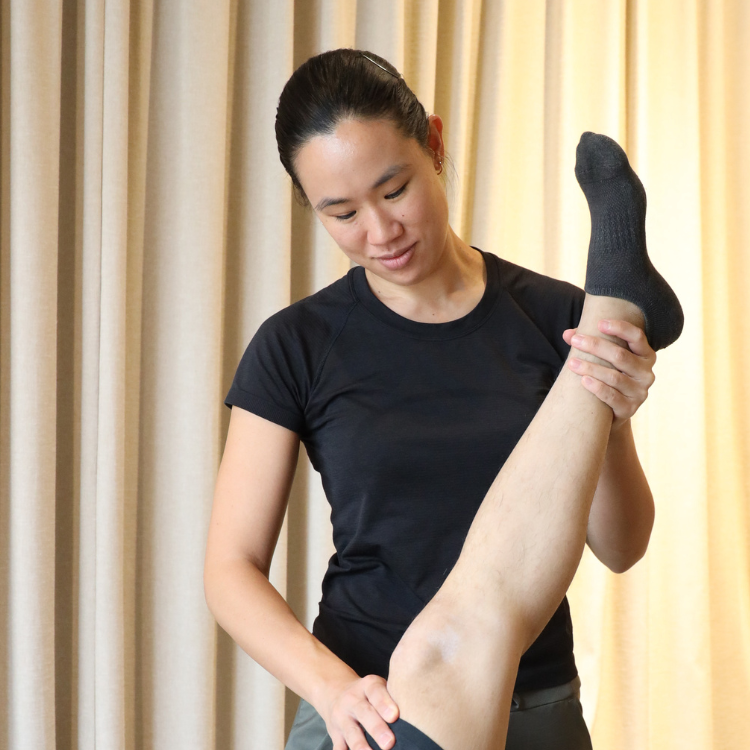
Physiotherapy
$250 (50 mins) | Sliding scale available
Work with a trauma-informed physiotherapist to restore movement and function in your body. Ideal for managing chronic pain, injuries, or specific health conditions.
Unlike conventional physiotherapy, we combine evidence-based rehabilitation with an understanding of how stress, trauma and the nervous system shape recovery.
Book now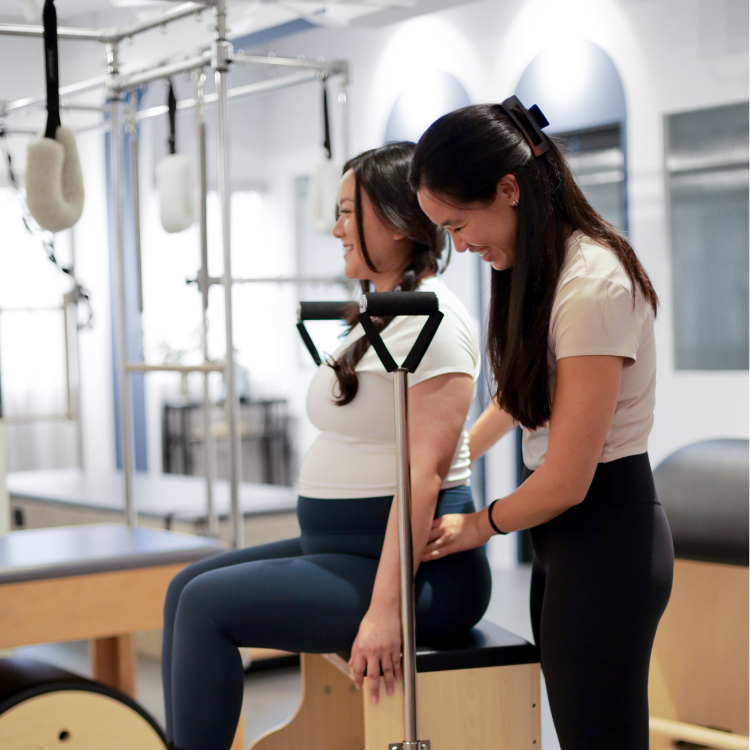
Clinical Pilates (Private)
$250 (50 mins) | Packages from $200 per session
Led by a licensed physiotherapist and certified BASI Pilates instructor. Perfect for those seeking focused, expert-led movement therapy to build confidence, reduce pain and enhance overall well-being.
With a trauma-informed approach, the work goes beyond symptom management — helping you reconnect with your body and build lasting resilience.
Book now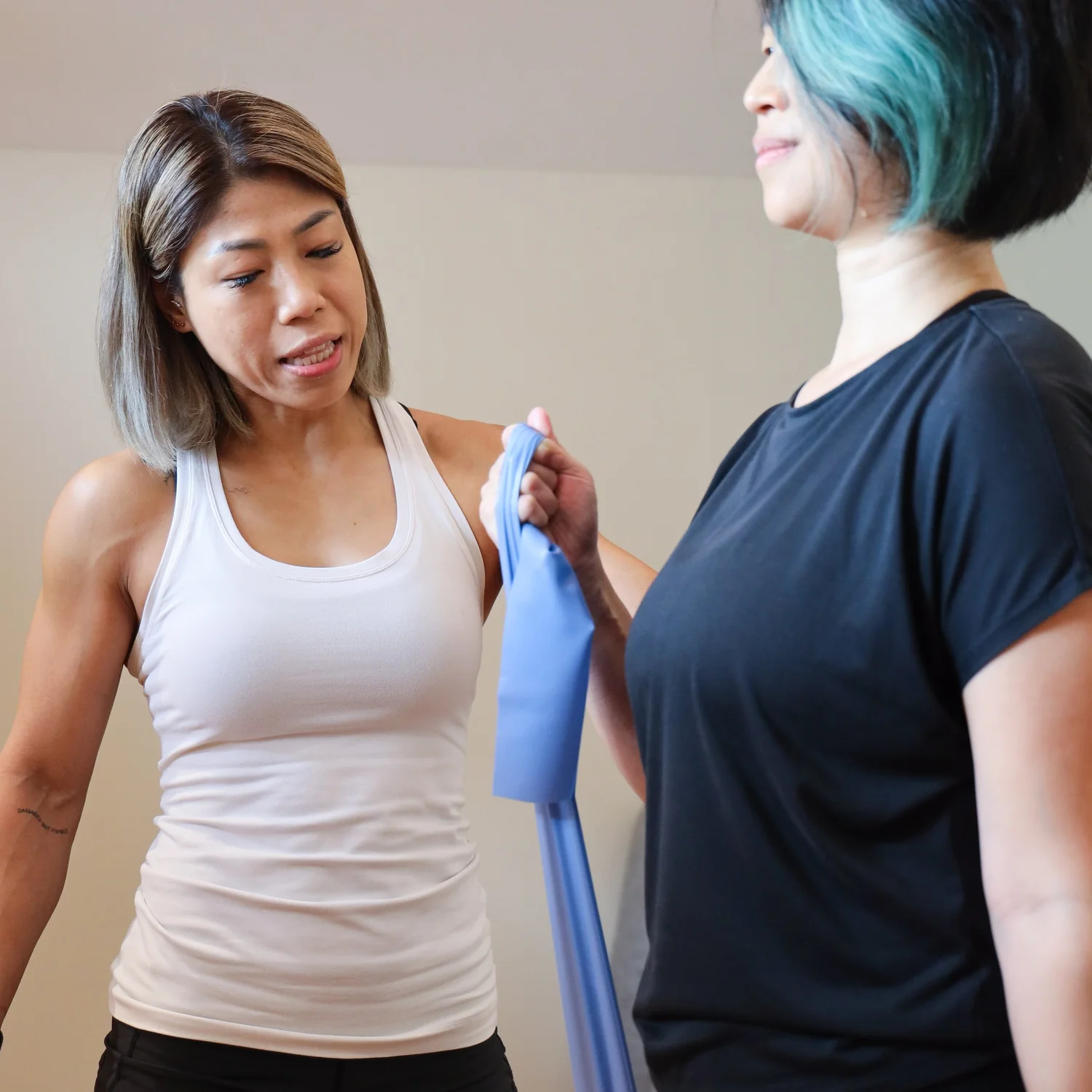
Pilates & Strength Training (Private)
$160 (55 mins) | Packages from $140 per session
Perfect for those transitioning from a rehabilitation programme with a physiotherapist, and looking for a more sustainable, preventative approach to fitness.
Sessions can be conducted with or without a reformer. All reformer sessions are held at our Tanjong Pagar location.
Book nowManual Therapy (Bodywork)
Fully clothed or draped, on a treatment table. Gentle, non-invasive, and led by what your body is ready for.
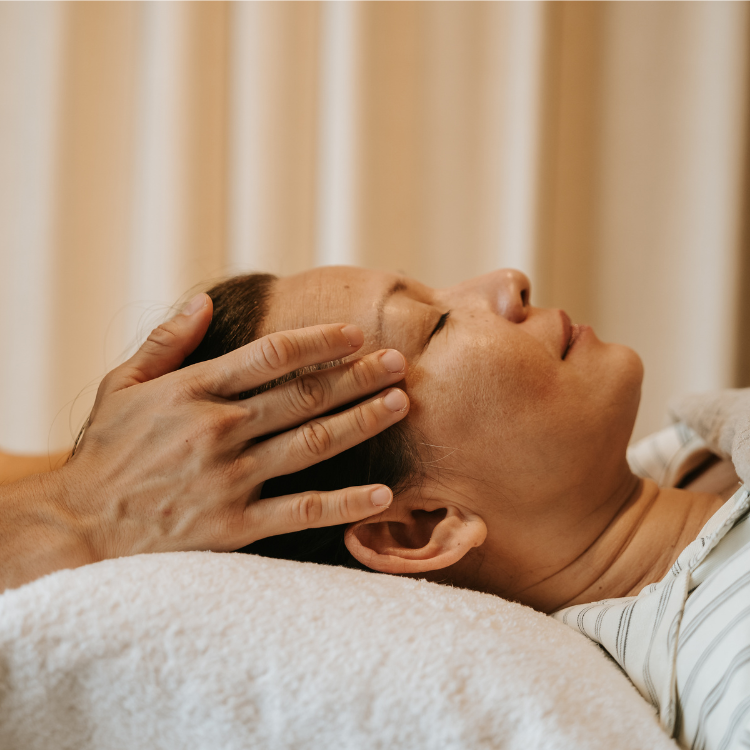
Craniosacral Therapy
From $130 (50 mins) / $160 first visit | Senior practitioner $200 / $250 | Sliding scale available
A gentle, deeply restorative form of bodywork rooted in osteopathy. Light touch and subtle fascial techniques that support your central nervous system and your body's own capacity to settle and repair.
Sessions are fully clothed on the treatment table, and you're welcome to bring someone you trust. First-time clients begin with the 75-minute consultation.
Book now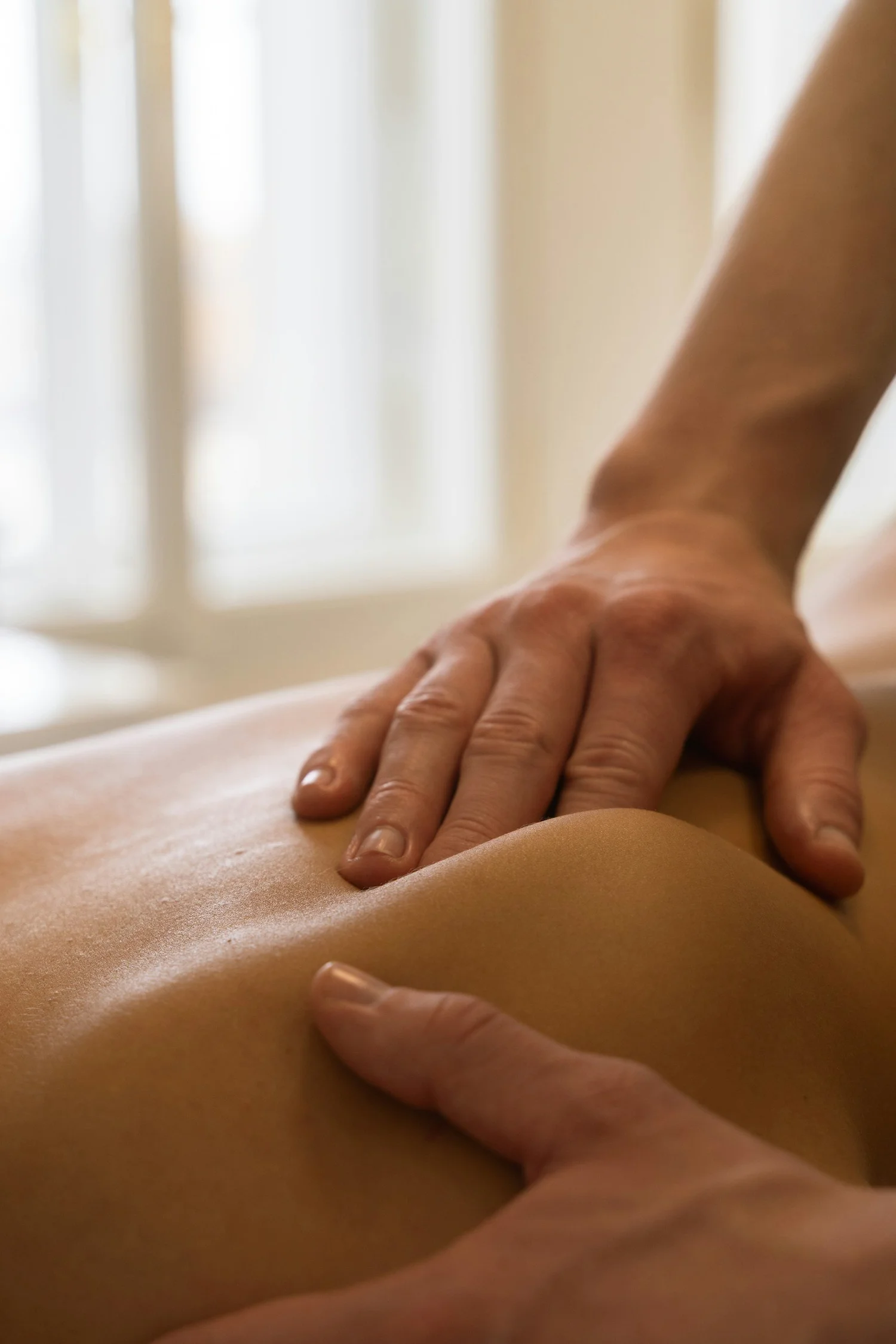
Remedial Bodywork
$180 (75 mins) / $220 (90 mins) | Sliding scale available
Therapeutic touch, myofascial release and gentle joint mobilisation — for chronic tension, recovery from injury, and helping an overworked nervous system down-regulate.
Each session is shaped around what your body is asking for that day rather than a fixed routine.
Book now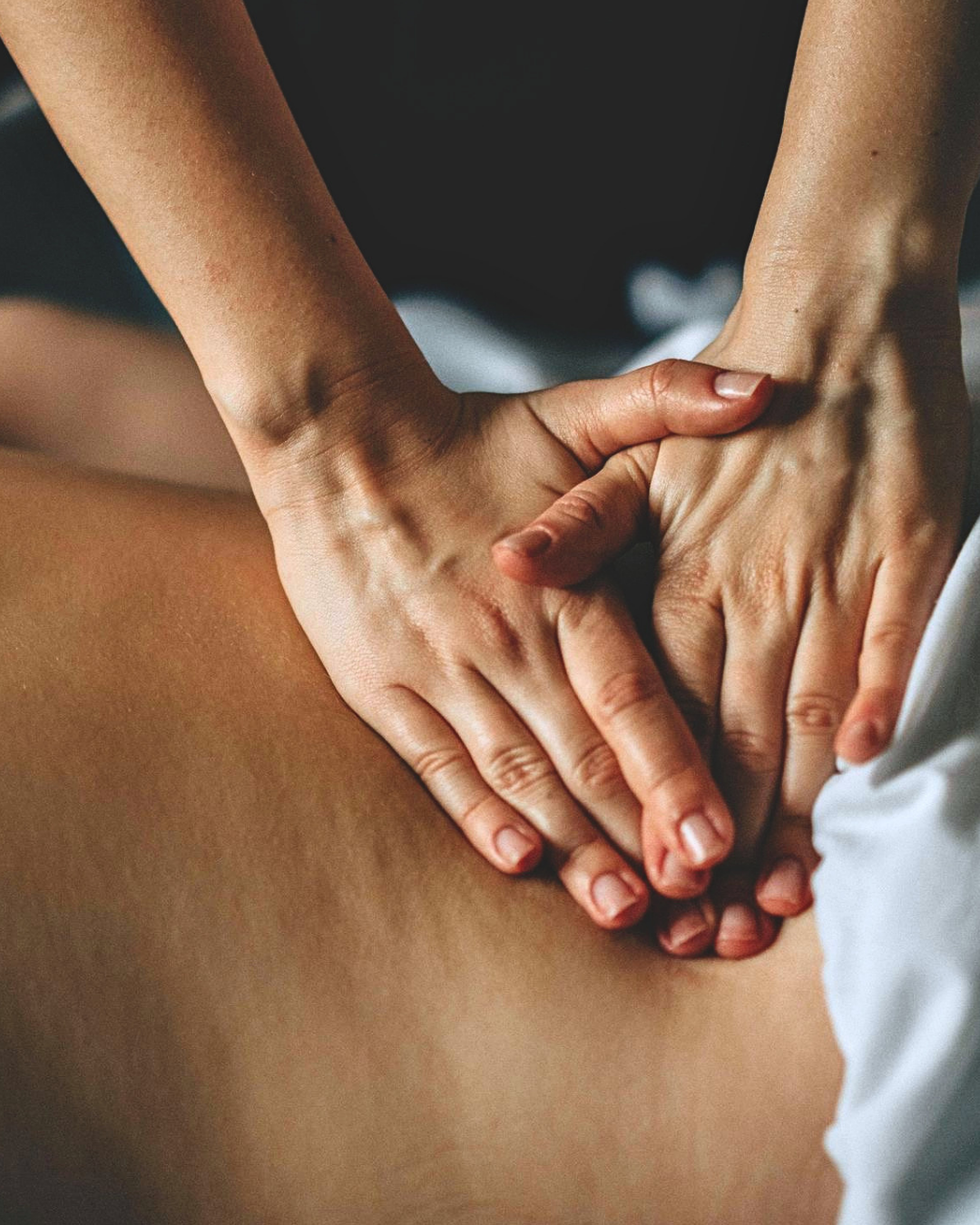
Lymphatic Drainage
$180 (75 mins) / $220 (90 mins) | Sliding scale available
Gentle, rhythmic work that encourages the natural flow of lymph — the body's quieter circulation, which has no pump of its own and relies on movement and touch to keep going.
Helpful for swelling, heaviness and puffiness, and often used alongside recovery after surgery.
Book nowFiguring out what your body needs
Depending on where you are in your healing journey, different approaches may be needed to support your body and mind. At Soma Haus, we combine top-down and bottom-up methods to help you reconnect, regulate, and restore well-being.
Top-Down Approaches engage the cognitive brain to influence emotions and behaviour. This includes psychotherapy, counselling, and mindfulness practices. Research shows that techniques like these can rewire neural pathways for emotional regulation, stress reduction, and trauma processing (Siegel, 2012; Garland et al., 2015). Top-down work helps you understand patterns, gain insight, and consciously process experiences.
Bottom-Up Approaches work directly with the body, the sensations and your nervous system to influence mental and emotional states. Modalities such as manual therapies, somatic movement, craniosacral therapy, and nervous system regulation help release stored tension, improve circulation, and restore functional movement (Levine, 2010; Ogden et al., 2006).
Physiotherapy
Unlike conventional physiotherapy, our sessions integrate different manual therapies and movement science with an understanding of how the body holds experiences and adapts to stress. This means your treatment isn’t just about rehabilitation - it’s about restoring balance, building resilience, and creating safety in your body.
By addressing the nervous system alongside physical recovery, we help you release tension at its root, improve mobility with confidence, and support long-term healing that feels sustainable and empowering.
-
When we experience sudden pain or discomfort in some part of our bodies that is caused by either a minor accident (such as tripping or a light fall) or from an unknown cause, we tend to doubt whether we should see a doctor or not. In most cases, this dilemma can worsen the condition. While it can be true that some painful sensations go away on their own, it is better to know when you should see a physiotherapist or consult a physician to see what the next steps forward are.
Here are some things to consider before deciding seeing a physiotherapist:
The pain worsens as the days pass
Normal muscle ache must go away after an hour or after a few days. When your condition doesn\’t seem to getting any better and seem to worsen with each passing day, it will be safe to consult a physiotherapist or physician for a proper diagnosis.
You are experiencing mechanical pain
Mechanical pain is the clinical term for the pain you experience when doing certain activities such as climbing stairs, walking, or bending your back in normal to safe ranges of motion. Should the pain you are experiencing worsens when you do such movements, it is good to see a doctor immediately and seek help.
The pain hinders your movement and day to day activities
If you find that the pain you experience hinders you from doing your daily activities, you should get an appointment with a physiotherapist. Apart from suggesting treatment, your therapist can also give you exercise to alleviate the pain while you are recovering.
-
Injury recovery (sports, workplace, daily life)
Post-surgical rehabilitation and mobility restoration
Stress-related tension and nervous system dysregulation
Postural issues, stiffness, and movement restrictions
Joint pain (shoulder, hip, knee, ankle) and back pain
Neck pain, headaches, and tension-related migraines
Recurring injuries or pain, chronic pain management
Building confidence and resilience in returning to activity or sport
-
$250 (50 mins)
Sliding Scale is available.
MANUAL THERAPIES & REMEDIAL BODYWORK
Remedial Bodywork
These sessions combine therapeutic touch, myofascial techniques, and gentle joint mobilisation to support chronic tension, injury rehabilitation, and nervous system down-regulation. This session is perfect for anyone looking for an integrative practice that honours both your body and mind. For specialised focus on craniosacaral therapy / lymphatic drainage / myofascial release or visceral maniuplation. Please request accordingly.
-
Our body holds stories of stress, habits, injuries, and even emotions. Over time, these experiences can create patterns of tension and imbalance that impact how we move, feel, and rest. This integrative bodywork session is designed to meet you where you are, helping you reconnect with your body’s natural capacity for ease and healing.
Through a combination of therapeutic touch, myofascial release, and gentle joint mobilisation, we support the release of chronic holding patterns and encourage the body to restore its own rhythm. Techniques such as lymphatic drainage, craniosacral therapy, and abdominal massage are drawn upon depending on your needs, making each session unique and personalised.
This work not only helps with chronic tension, recovery from injuries, and postural imbalances, but also supports the nervous system to down-regulate — creating space for deeper rest, clarity, and resilience.
Whether you are navigating stress, recovering from pain, or simply seeking to feel more at home in your body, these sessions offer a gentle yet powerful invitation to slow down and reconnect with yourself.
-
Releasing tension and stress in the body
Recovering from injuries or physical strain
Improving circulation and reducing swelling
Improve lymph flow
Calming the nervous system and supporting relaxation
Easing stiff joints and tight muscles
Relieving headaches, neck and shoulder pain
Supporting posture and easier movement
Managing ongoing or chronic discomfort
Building confidence and ease in the body; returning to activity
-
$180 (75 mins)
$220 (90 mins)
Sliding Scale is available.
Craniosacral Therapy
Craniosacral Therapy & Biodynamic Craniosacral Therapy (BCST) is a therapy that stems from Osteopathy. It is a gentle and deeply restorative form of bodywork that uses light touch and subtle fascial techniques to support your central nervous system and your body’s innate ability to balance, restore and heal. These sessions are non-invasive and work in tandem with your body’s natural intelligence to help you regulate and self-repair.
Craniosacral Therapy & Biodynamic Craniosacral Therapy (BCST) is a complementary adjunct to physiotherapy. Sessions are fully clothed on the treatment table. You may request the presence of someone you trust should you need additional support or assistance.
-
Our Craniosacral System covers the area from the cranium (our head) to the sacrum (our tail), consisting of soft tissue, membranes and cerebrospinal fluid that help to protect the brain, spinal cord. This system is dynamic, fluid and deeply regulating. It carries within it great intelligence, and all that the body really needs is to reconnect to this original source of wellbeing.
Over the course of our lives, the body takes on many stresses, be it physical, emotional or spiritual, which can compound and eventually compromise the function of the Central Nervous System along with nearly every other system in the body. CST appreciates our unique body-mind connection and recognises that symptoms of pain and disease are often due to underlying causes. Through touch, the sessions will help your body deeply relax which in turn enhances your body’s natural ability to re-regulate and self repair.
-
While it might be hard to distinguish between CST and BCST as a recipient, the approach of Biodynamic Craniosacral Therapy or BCST is more gentle and less structural / biomechanical.
Practitioners connect with the body's natural "breath of life” and the tides (also known as the craniosacral rhythm), allowing healing to emerge internally rather than through external manipulation. The approach is intuitive, holistic, and centred on the client's inherent healing capacity.
Both modalities underscore the body's remarkable self-healing abilities and offer powerful pathways to wellness.
-
Chronic stress and pain, tension and fatigue
Anxiety, trauma and depression
Hypertension, thyroid issues, high blood pressure
Headaches / migraines / sinus issues
Digestive issues
Jaw Pain TMJ, Tinnitus, teeth grinding
Insomnia, disturbed sleep patterns
PMS and hormonal imbalances
Brain fog
Autoimmune conditions
Postural issues & general pain management
Birth trauma, Postpartum recovery and health
Trauma recovery, including orthopaedic accidents, motor vehicle accidents, fascial adhesions post-concussion syndrome
-
$200 (50 mins)
$250 (75 mins)*
Please note that for all first-time clients, an initial consultation (75 mins) is required.
Sliding Scale is available.
Lymphatic Drainage
Lymphatic Drainage or MLD (Manual Lymphatic Drainage Massage) is a therapeutic method that involves a gentle, rhythmic massage designed to stimulate the lymphatic vessels and naturally encourage the flow of lymph fluid. By encouraging the natural flow of lymph, this therapy helps reduce swelling, inflammation, toxic load and tension, while promoting overall circulatory and nervous system health.
The lymphatic system is the body's second circulatory system, made up of lymph vessels, similar to the veins and capillaries of the circulatory system. These lymph vessels are connected to lymph nodes, where the lymph fluid - a clear fluid that contains infection-fighting white blood cells throughout the body - is filtered.
Lymphatic drainage can complement post-surgery recovery, injury rehabilitation, stress relief, and wellness maintenance, promoting whole-body balance and vitality.
-
The primary goal of Lymphatic drainage or MLD is to support proper lymph node function and improve lymphatic circulation, promoting overall detoxification, immune health, and wellbeing.
Here are key benefits of manual lymphatic drainage therapy:
1. Supports Detoxification
The lymphatic system plays a critical role in removing waste, toxins, and cellular debris from the body. When lymph flow is restricted, toxins can accumulate, contributing to inflammation and other health concerns. MLD helps move stagnant fluid through the lymph nodes, cleansing the system and supporting the immune response by aiding the removal of bacteria, viruses, and other harmful substances.2. Assists in Managing Lymphedema
Medical conditions, infections, or treatments like surgery and radiation can impair lymph flow, sometimes causing lymphedema — swelling in the limbs or other body areas. MLD is highly effective in reducing swelling, improving lymph drainage, and slowing lymphedema progression, complementing other clinical interventions.3. Promotes Relaxation and Better Sleep
MLD is calming and can help regulate the nervous system, reducing stress and anxiety. Research shows that lymphatic drainage promotes deep relaxation, improves sleep quality, and can support those with breathing difficulties such as dyspnea.4. Relieves Sinus Congestion
Inflammation or infection in the nose and throat can block lymphatic drainage around the head and neck. MLD helps stimulate lymph nodes in the cervical and facial regions, reducing congestion, promoting fluid movement, and relieving sinus pressure. This can be particularly helpful for sinusitis or catarrh-related discomfort.5. Enhances Overall Health and Wellbeing
Regular manual lymphatic drainage supports circulation, tissue health, and immune function, while also promoting a sense of balance and relaxation. When combined with other therapies such as physiotherapy or somatic work, it forms part of an integrated approach to whole-body health. -
Chronic stress and pain, tension and fatigue
Anxiety, trauma and depression
Hypertension, thyroid issues, high blood pressure
Headaches / migraines / sinus issues
Brain fog
Digestive issues
Jaw Pain TMJ, Tinnitus, teeth grinding
Insomnia, disturbed sleep patterns
PMS and hormonal imbalances
Poor bowel function
Autoimmune conditions / weakened immune system
Postural issues & general pain management
Birth trauma, Postpartum recovery and health
Trauma recovery, including orthopaedic accidents, motor vehicle accidents, fascial adhesions post-concussion syndrome
Bloating, swelling and heaviness in the extremities
Unexplained skin issues
-
Myofascial Release
Myofascial Release (MFR) is a hands-on therapy that targets the fascia, the connective tissue that surrounds and links muscles, bones, nerves, and organs throughout the body. Unlike traditional massage that primarily works on muscles, MFR focuses on tension patterns within the fascial system, helping to restore mobility, alignment, and functional movement.
Our fascia is organised in a specific way that transmits tension and movement patterns across the body. Restrictionss or adhesions in one area of a line can create pain or limited movement in distant regions, explaining why discomfort is often felt far from the source. By addressing the whole fascial network, myofascial release works not only locally but systemically, helping the body reorganise and move more efficiently, reduce pain, and restore balance.
-
The primary goal of Lymphatic drainage or MLD is to support proper lymph node function and improve lymphatic circulation, promoting overall detoxification, immune health, and wellbeing.
Here are key benefits of manual lymphatic drainage therapy:
1. Supports Detoxification
The lymphatic system plays a critical role in removing waste, toxins, and cellular debris from the body. When lymph flow is restricted, toxins can accumulate, contributing to inflammation and other health concerns. MLD helps move stagnant fluid through the lymph nodes, cleansing the system and supporting the immune response by aiding the removal of bacteria, viruses, and other harmful substances.2. Assists in Managing Lymphedema
Medical conditions, infections, or treatments like surgery and radiation can impair lymph flow, sometimes causing lymphedema — swelling in the limbs or other body areas. MLD is highly effective in reducing swelling, improving lymph drainage, and slowing lymphedema progression, complementing other clinical interventions.3. Promotes Relaxation and Better Sleep
MLD is calming and can help regulate the nervous system, reducing stress and anxiety. Research shows that lymphatic drainage promotes deep relaxation, improves sleep quality, and can support those with breathing difficulties such as dyspnea.4. Relieves Sinus Congestion
Inflammation or infection in the nose and throat can block lymphatic drainage around the head and neck. MLD helps stimulate lymph nodes in the cervical and facial regions, reducing congestion, promoting fluid movement, and relieving sinus pressure. This can be particularly helpful for sinusitis or catarrh-related discomfort.5. Enhances Overall Health and Wellbeing
Regular manual lymphatic drainage supports circulation, tissue health, and immune function, while also promoting a sense of balance and relaxation. When combined with other therapies such as physiotherapy or somatic work, it forms part of an integrated approach to whole-body health. -
Chronic stress and pain, tension and fatigue
Anxiety, trauma and depression
Hypertension, thyroid issues, high blood pressure
Headaches / migraines / sinus issues
Brain fog
Digestive issues
Jaw Pain TMJ, Tinnitus, teeth grinding
Insomnia, disturbed sleep patterns
PMS and hormonal imbalances
Poor bowel function
Autoimmune conditions / weakened immune system
Postural issues & general pain management
Birth trauma, Postpartum recovery and health
Trauma recovery, including orthopaedic accidents, motor vehicle accidents, fascial adhesions post-concussion syndrome
Bloating, swelling and heaviness in the extremities
Unexplained skin issues
-
Visceral Manipulation
This is an integrative approach from the Barral Method that looks at the structural relationships between the viscera (our organs), and their fascial or ligamentous attachments to the musculoskeletal system. It is an organ-specific fascial mobilisation technique that is based on the premise that free movement within the body is vital, and thus any restriction will adversely affect health.
The goal of Visceral Manipulation is to help the person's body return to normal function and thereby remove compensatory symptoms, whatever their source, leading to improved health and optimal body functioning.
-
The human body is an intricate system of interconnected structures — bones, muscles, nerves, fascia, and internal organs (viscera) — all working together in constant motion. Your organs are never still. Every time you breathe, walk, or stretch, your organs shift within the chest and abdomen. For example, the kidneys move approximately one inch with a normal breath and up to four inches during deep inhalation. Over the course of a single day, this adds up to more than half a mile of movement — roughly 19,000 miles across a lifetime.
This organ mobility is transmitted through the fascia, the connective tissue that links every part of your body. When your body is healthy, all structures move with a coordinated fluidity, supporting everything from cellular pulsations to the rhythmic contractions of the heart and smooth blood flow. Optimal health relies on a harmonious relationship between organ movement and musculoskeletal function.
Several factors can limit organ mobility, including physical trauma, surgeries, sedentary lifestyle, infections, environmental toxins, poor diet, postural imbalances, and pregnancy or childbirth. When an organ becomes restricted or adheres to surrounding structures, the body compensates, creating chronic tension points. Over time, these restrictions can contribute to functional and structural issues across multiple systems — musculoskeletal, vascular, nervous, urinary, respiratory, and digestive.
For instance, scar tissue near the lungs can alter breathing patterns, affecting rib mobility and placing strain on the spine. This can result in mid-back or neck pain, shoulder restrictions, or other symptoms that may seem unrelated to the original dysfunction. Because these restrictions are repeated thousands of times each day, even a small adhesion can have widespread effects, explaining why pain is often felt far from its source.
At Soma Haus, our manual therapy and visceral manipulation techniques work to restore organ mobility, fascia health, and whole-body alignment, reducing tension and supporting both physical and nervous system function for long-term wellbeing.
-
Chronic stress and pain, tension and fatigue
Anxiety, trauma and depression
Hypertension, thyroid issues, high blood pressure
Headaches / migraines / sinus issues
Digestive issues
Jaw Pain TMJ, Tinnitus, teeth grinding
Insomnia, disturbed sleep patterns
PMS and hormonal imbalances
Brain fog
Autoimmune conditions
Postural issues & general pain management
Birth trauma, Postpartum recovery and health
Trauma recovery, including orthopaedic accidents, motor vehicle accidents, fascial adhesions post-concussion syndrome
-
This is integrated as part of Craniosacral Therapy:
$200 (50 mins)
$250 (75 mins)*
Please note that for all first-time clients, an initial consultation (75 mins) is required.
Sliding Scale is available.
PILATES & MOVEMENT SCIENCE
Clinical Pilates
This is a private clinical pilates session using the reformer led by a licensed physiotherapist and certified BASI Pilates instructor. The session is fully adapted to your body, goals, and movement needs.
Perfect for those seeking focused, expert-led movement therapy to build confidence, reduce pain, and enhance overall well-being.
Sessions can be done with / without a reformer. Please take note that all reformer sessions will take place at our Tanjong Pagar Location.
-
Clinical Pilates is conducted by licensed physiotherapists. It integrates traditional Pilates principles with physiotherapy clinical knowledge to help address specific movement challenges, rehabilitate injuries, and manage chronic pain.
Unlike traditional Pilates classes, Clinical Pilates sessions are tailored to your individual needs. A physiotherapist conducts a detailed assessment and designs exercises that focus on your specific rehabilitation goals, limitations, and pain points.
Why is Soma Haus different?
Our sessions integrate movement science with an understanding of how the body holds experiences and adapts to stress. This means your treatment isn’t just about rehabilitation - it’s about restoring balance, building resilience, and creating safety in your body.
By addressing the nervous system alongside physical recovery, we help you release tension at its root, improve mobility with confidence, and support long-term healing that feels sustainable and empowering.
-
Chronic pain
Lower back pain
Neck pain
Joint and mobility issues
Sports injuries
Post-operative recovery
Pre- and postnatal clients looking for safe, guided movement
Individuals with conditions like scoliosis, arthritis, or hypermobility
Desk workers experiencing stiffness or tension from prolonged sitting
Anyone wanting to build core strength, stability, and body awareness in a low-impact way
-
$250 (50 mins)
5 Session Package ($1,100 / $220 per session)
10 Session Package ($2,000 / $200 per session)
Sliding Scale is available for individual sessions but is not applicable to packages.
Pilates & Strength Training
Our Private Pilates & Strength Training sessions combine the foundations of Pilates with functional strength training to support long-term movement health. Each session is tailored to your unique needs, helping you build strength, stability, and resilience in your daily life.
This is perfect for those transitioning from a rehabilitation program with a physiotherapist and looking for a more sustainable, preventative approach to fitness.
Sessions can be done with / without a reformer. Please take note that all reformer sessions will take place at our Tanjong Pagar Location.
-
When we experience sudden pain or discomfort in some part of our bodies that is caused by either a minor accident (such as tripping or a light fall) or from an unknown cause, we tend to doubt whether we should see a doctor or not. In most cases, this dilemma can worsen the condition. While it can be true that some painful sensations go away on their own, it is better to know when you should see a physiotherapist or consult a physician to see what the next steps forward are.
Here are some things to consider before deciding seeing a physiotherapist:
The pain worsens as the days pass
Normal muscle ache must go away after an hour or after a few days. When your condition doesn\’t seem to getting any better and seem to worsen with each passing day, it will be safe to consult a physiotherapist or physician for a proper diagnosis.
You are experiencing mechanical pain
Mechanical pain is the clinical term for the pain you experience when doing certain activities such as climbing stairs, walking, or bending your back in normal to safe ranges of motion. Should the pain you are experiencing worsens when you do such movements, it is good to see a doctor immediately and seek help.
The pain hinders your movement and day to day activities
If you find that the pain you experience hinders you from doing your daily activities, you should get an appointment with a physiotherapist. Apart from suggesting treatment, your therapist can also give you exercise to alleviate the pain while you are recovering.
Why is Soma Haus different?
Unlike conventional physiotherapy, our sessions integrate movement science with an understanding of how the body holds experiences and adapts to stress. This means your treatment isn’t just about rehabilitation - it’s about restoring balance, building resilience, and creating safety in your body.
By addressing the nervous system alongside physical recovery, we help you release tension at its root, improve mobility with confidence, and support long-term healing that feels sustainable and empowering.
-
These 1-to-1 sessions with our senior pilates instructor and personal training. These sessions are designed for long-term functional health, bridging the gap between recovery and sustainable fitness. The goal is to help you move better, not just heal better.
How It’s Different from Clinical Pilates
Clinical Pilates is often part of a structured rehabilitation plan overseen by a physiotherapist, with a primary focus on injury recovery or specific health conditions.
-
$160 (55 mins)
10 Session Package ($1,500 / $150 per session)
20 Session Package ($2,800 / $140 per session)
Sliding Scale is available for individual sessions but not applicable for packages.
Explore Counselling and Psychotherapy for Mental & Emotional Health
It’s important to note that therapy is not a one-size-fits-all approach. A holistic approach may include a combination of body-based therapy, mental health approaches, as well as alternative approaches such as sound bath meditation, breathwork, yoga and more. By working collaboratively with a therapist, individuals can feel empowered to take an active role in their overall well-being.
Common Conditions We Work With
At Soma Haus, we support individuals dealing with a wide range of health concerns. Using our multidisciplinary and somatic approach that works alongside conventional treatment models to support clients in addressing untreated or overlooked symptoms and accessing the deeper layers of health and well-being.


-
Persistent anxiety can make it feel like your anxious thoughts are intrusive or inescapable and may interfere with your ability to accomplish tasks, enjoy social situations, and relax. Some physical symptoms include increased heart rate, sweating, upset stomach, muscle tension, and shortness of breath.
-
Burnout and fatigue are common consequences of chronic stress, overwork, and emotional strain. They can lead to physical and mental exhaustion, making it difficult to find the energy for daily activities, relationships, or self-care. Burnout often manifests as a sense of depletion, lack of motivation, and an inability to feel fully engaged in life, while fatigue can cause persistent tiredness, reduced productivity, and difficulty focusing.
-
At Soma Haus, we understand the unique challenges faced by those navigating cancer treatment and recovery. The physical and emotional toll of a cancer diagnosis can be overwhelming, and we are here to provide a supportive, nurturing space for healing. Our treatments are designed to complement your medical care and help you manage the stress, fatigue, and emotional strain often associated with cancer.
Through holistic therapies, we aim to reduce anxiety, alleviate physical discomfort, and promote overall well-being. Whether you’re looking to manage treatment side effects, improve sleep, reduce pain, or simply find a moment of peace, our personalised approach focuses on nurturing both the body and mind.
-
Chronic pain and trauma are often closely intertwined, with the body holding onto both physical and emotional wounds. Chronic pain can be a result of past trauma, whether from physical injury, emotional distress, or long-term stress, and can continue to affect one’s quality of life long after the initial event. The impact of trauma on the body can create ongoing tension, inflammation, and pain that is difficult to manage without addressing both the physical and emotional components.
-
We address a range of digestive issues with a holistic approach designed to restore balance and improve overall gut health. These include bloating, constipation, irritable bowel syndrome(IBS), abdominal pain, gastric issues, indigestion, food sensitivities.
-
Grief and loss can stir emotional responses like denial, anger, sadness, and isolation, which not only affect the mind but also have a profound impact on the body. These emotions often manifest physically through tension, fatigue, and changes in appetite or sleep patterns. Navigating these feelings can be challenging, as the body and mind are deeply intertwined in the grieving process, each influencing the other as you work through the experience of loss.
-
Mental health and mood are closely connected to our overall well-being, influencing how we think, feel, and respond to life’s challenges. Mood imbalances, whether caused by stress, trauma, hormonal fluctuations, or mental health conditions like anxiety and depression, can have a profound impact on both emotional and physical health. Poor mental health can lead to feelings of hopelessness, irritability, fatigue, and difficulty managing daily tasks, while also affecting our relationships, self-esteem, and overall quality of life.
Common mood and energy concerns include apathy, a lack of motivation or interest, dysthymia, a persistent low mood, and depression, a mood disorder characterized by persistent feelings of sadness and hopelessness.
These conditions can impact daily functioning and quality of life and require professional support and treatment.
-
We work with clients with a wide range of sleep issues, including insomnia, difficulty falling asleep, staying asleep and brain fog, are often linked to chronic stress, anxiety, and imbalances in the body’s natural rhythms. These disturbances can manifest in various ways, from trouble falling asleep to waking up frequently during the night, and can even lead to feelings of exhaustion and brain fog during the day. Poor sleep not only affects mental clarity and mood but also impacts physical health, including immune function and stress hormone regulation.
-
We focus on treating skin concerns that stem from inflammation and chronic stress, both of which can profoundly affect skin health. Some of the conditions we address include: Rosacea, Eczema, Psoriasis, Hives, Rashes, Redness & Irritation.
-
Chronic stress is a long-term state of heightened stress that can contribute to both physical and mental health issues, including adrenal fatigue, insomnia, anxiety, and depression. Hypertension, or high blood pressure, is a common consequence of chronic stress. When stress is prolonged, the body remains in a constant “fight or flight” state, releasing stress hormones like cortisol and adrenaline, which can constrict blood vessels and increase heart rate. Over time, this sustained pressure can lead to persistent high blood pressure, putting strain on the heart and increasing the risk of heart disease, stroke, and kidney problems.
Our holistic approach helps manage chronic stress and hypertension by addressing the root causes—stress, inflammation, and lifestyle—while improving circulation and fostering emotional well-being.
-
Trauma is both a psychological and physiological response to a distressing or overwhelming event. It can manifest in various ways, including intrusive memories, emotional numbness, avoidance behaviours, and significant shifts in mood and thinking.
Additionally, trauma can alter a person’s physical and emotional reactions, affecting their ability to engage in everyday activities.
Questions people ask us
If yours isn't here, ask — there's no question too small, and nothing you're expected to know in advance.
How much does physiotherapy cost in Singapore?
At Soma Haus, physiotherapy is $250 for a 50-minute session at our Joo Chiat and Tanjong Pagar clinics. Craniosacral therapy starts at $130 for a 50-minute session, or $160 for a first visit, rising to $200 and $250 with a senior practitioner. Remedial bodywork and lymphatic drainage are $180 (75 minutes) or $220 (90 minutes). A sliding scale is available on individual sessions for anyone who needs it.
Do I need a doctor's referral to see a physiotherapist?
No. In Singapore you can book private physiotherapy directly, without a referral, and that includes booking with us. A referral is only needed for subsidised treatment at a public hospital. If a doctor has already referred you, or you've had scans or reports done, bring them along — they give your physiotherapist a useful head start.
What is the difference between physiotherapy and craniosacral therapy?
Physiotherapy is a licensed, science-based profession that uses assessment, hands-on treatment and exercise to restore movement and function. Craniosacral therapy is a gentle, fully clothed form of bodywork rooted in osteopathy that works with the nervous system. At Soma Haus, craniosacral therapy is offered as a complementary adjunct to physiotherapy rather than a replacement for it. More on what craniosacral therapy involves.
What happens in a first session?
A first physiotherapy session begins with an assessment — how you move, what hurts, and what your body has been compensating for. First craniosacral visits are 75 minutes rather than 50, to allow time for a fuller consultation. Sessions take place fully clothed on a treatment table, and you may ask for someone you trust to be present.
Is craniosacral therapy supported by evidence?
The evidence base is limited and mixed. Some studies suggest it may help with certain chronic pain conditions and with the experience of stress, but they are generally small, and some of the mechanisms proposed by the modality's early founders are not well supported by current research. We offer it as complementary work alongside physiotherapy, and we would rather say that plainly than overstate it. We go into the research in more detail here.
Can I claim physiotherapy on insurance or MediSave?
MediSave does not generally cover outpatient physiotherapy at a private clinic. Some private insurance plans and corporate health benefits do, often depending on whether treatment follows an accident, surgery or a doctor's referral. We can provide an itemised receipt to support a claim — it's worth checking the specifics with your insurer before your first session.
How many sessions will I need?
That depends on what you're working with, and it's something your physiotherapist will talk through with you after the first assessment rather than promise beforehand. People working with long-held chronic pain often find a course of sessions more useful than a single visit, which is why packages are available for clinical Pilates and strength training.
Where are your clinics?
Soma Haus has two locations in Singapore: 281 Joo Chiat Road, Level 3, and Block 7 Tanjong Pagar Plaza, #02-107. Both are open seven days a week by appointment only. Reformer sessions take place at Tanjong Pagar.
Still not sure where to start? Book a discovery call and we'll talk it through — no pressure, no hard sell.
Sliding Scale Programme

The Sliding Scale is a programme that pays-it-forward and supports the power of collective healing. Together, we rejoice in a system that supports our business, you, and many others in need of healing and self-care.
As part of our commitment to become a socially responsible wellness centre that recognises individuals’ varying access to resources, we will be:
Offering a tiered pricing for our treatments (Sliding Scale)
Contributing 1% of our monthly revenue towards the Sliding Scale Program