
Sound Therapy Practitioner Training
4 Day Comprehensive Sound Therapy Training for Self-Care and Therapeutic Use

Sound Therapy Practitioner Training (30 Hours)
Become certified in Sound Therapy through a comprehensive practitioner training that weaves together Himalayan Singing Bowls, the foundational use of gong, and complementary sound instruments within a nervous-system-informed approach.
Learn how to effectively design and facilitate sound-based experiences with clarity, sensitivity, and care. Empower yourself with personalised tools for grounding and self-help. This training integrates lecture, hands-on practice, reflective inquiry, and supervised contact hours to support students in developing both technical confidence and embodied presence.
Blending ancient sound wisdom with modern science, mindfulness, and nervous system education, this training invites practitioners to move beyond technique alone.
The Approach
Students will also explore how different instruments can be used with sensitivity, intention, and respect for the client’s nervous system. Himalayan Singing Bowls remain the foundation of this training, while the gong is introduced as a powerful complementary instrument for creating depth, spaciousness, and immersive sound journeys.
This approach supports students to develop both technical confidence and human awareness. While learning to facilitate sound therapy for others, students also deepen their own capacity to quiet the mind, regulate the body, listen with presence, and reconnect with a more compassionate rhythm of life.
Sound therapy is presented as a complementary wellness practice. It is not a replacement for medical or psychological care, but it can be a meaningful support for relaxation, nervous system regulation, self-care, emotional awareness, and embodied presence.

This training offers a nervous-system-informed and compassion-based approach to sound therapy, integrating Himalayan Singing Bowls, foundational gong practice, mindfulness, somatic awareness, Yoga philosophy, subtle-body wisdom, and principles.
Rather than focusing only on how to play instruments, this training invites students to understand sound as a relational and embodied practice. Students are guided to cultivate inner steadiness, deep listening, mindful awareness, and compassionate communication, so they can facilitate from a grounded and attuned state.
Through experiential practice, students learn how to create safe and supportive sound-based experiences for individuals and groups. This includes session structure, sequencing, pacing, sound intensity, grounding, check-in and check-out, trauma-aware facilitation, ethical boundaries, and the art of holding space.
Commitments

Training Dates 2027
This is a 4 Day Program taking place over 2 weekends:
3 & 4 April 2027 (Saturday & Sunday)
24 & 25 April 2027 (Saturday & Sunday)
Experiential learning and self-development are highly encouraged. This is also the reason why the 5-session sound bath package was built into the training program to support your learning in between the two weekends.

Proposed Daily Agenda*
Each training day is designed as an integrated learning journey, combining theory, experiential practice, self-reflection, peer exchange, and supervised facilitation.
9.00- 11.30 - Theory & Practice
11.45 - 13.15 - Theory & Practice
13.15 - 14.15 - Lunch Break
14.15 - 16.45 - Theory & Practice
17:00 - 18.00 - Practice & Closing Ritual
*Subject to adjustments based on class pacing, group size, and participants’ learning needs to ensure a supportive and well-integrated experience.

Fees*
1,400 SGD (Early Bird until February 14, 2027)
1,600 SGD (Non-Early Bird)
Fees include 5 Session Package (210 SGD) valid until 31 May 2027 (Only for Sound Bath Meditation Classes)
*A limited number of 20% scholarships is awarded to selected participants. Applicants are required to write in to request consideration.
Please note that this program will not give any refunds or credits after enrolment is confirmed. As training spaces are limited in number, we ask that you ensure your availability to attend before committing to the course financially. Soma Haus reserves the right to cancel any training before it begins. In that case, any payments applicants have made will be refunded in full.
Overview of 4 day Sound Therapy Training
Day 1 — Foundations of Sound, Safety & Practitioner Presence
Learning Milestones:
What sound therapy is within a complementary wellness context
History and wisdom of sound-based healing practices
Sound as meditation, mindfulness, and deep listening
Basic science of sound
Practitioner presence, grounding, and self-regulation
Practice Milestones:
Grounding and mindful listening
Basic Himalayan Singing Bowl techniques
Mallets, sticks, strikes, rhythm, pauses, and sound quality
Simple self-regulation practices
Creating a short grounding sound practice
Reflection and group sharing
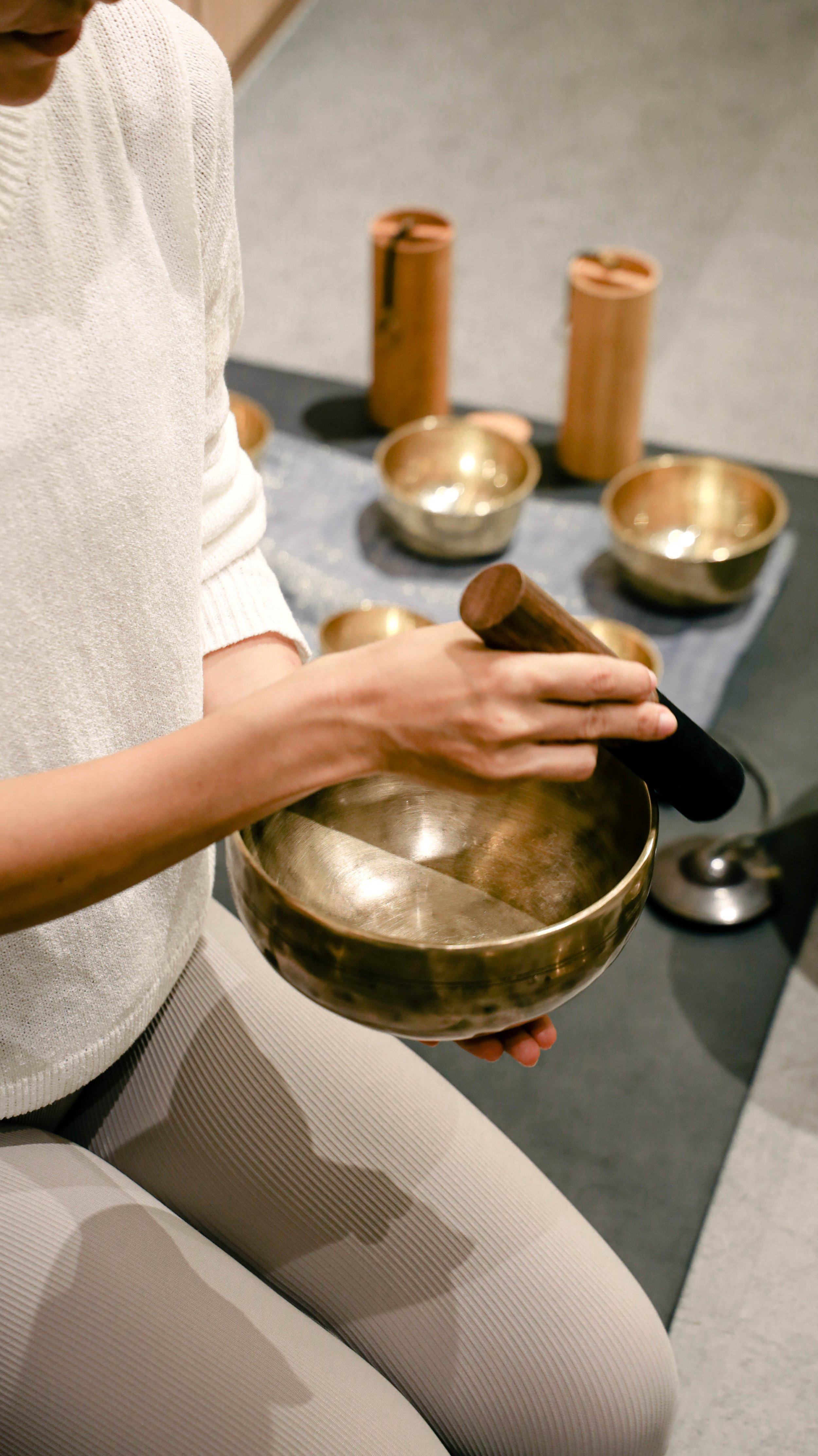
Day 2 — Use of Himalayan Singing Bowls and Sound as Mind-Body Medicine
Students learn how to use sound with sensitivity, pacing, and awareness of client comfort. The focus is not only on playing beautifully, but on creating conditions of safety, calm, and embodied presence.
Learning Milestones:
Evidence-informed foundations of sound and wellbeing
Sound and relaxation response
Brainwave states and meditative awareness
Nervous system and Polyvagal theory
Sound facilitation
Somatic awareness and body-based listening
Sound sensitivity and client safety
Practice includes:
Himalayan Singing Bowl technique lab
Rhythm, pressure, pacing, layering, and pauses
Safe use of vibration and vibroacoustic awareness
Somatic listening and observing signs of comfort or overwhelm
Creating a relaxation and nervous system regulation sequence
Peer practice, feedback, and self-reflection

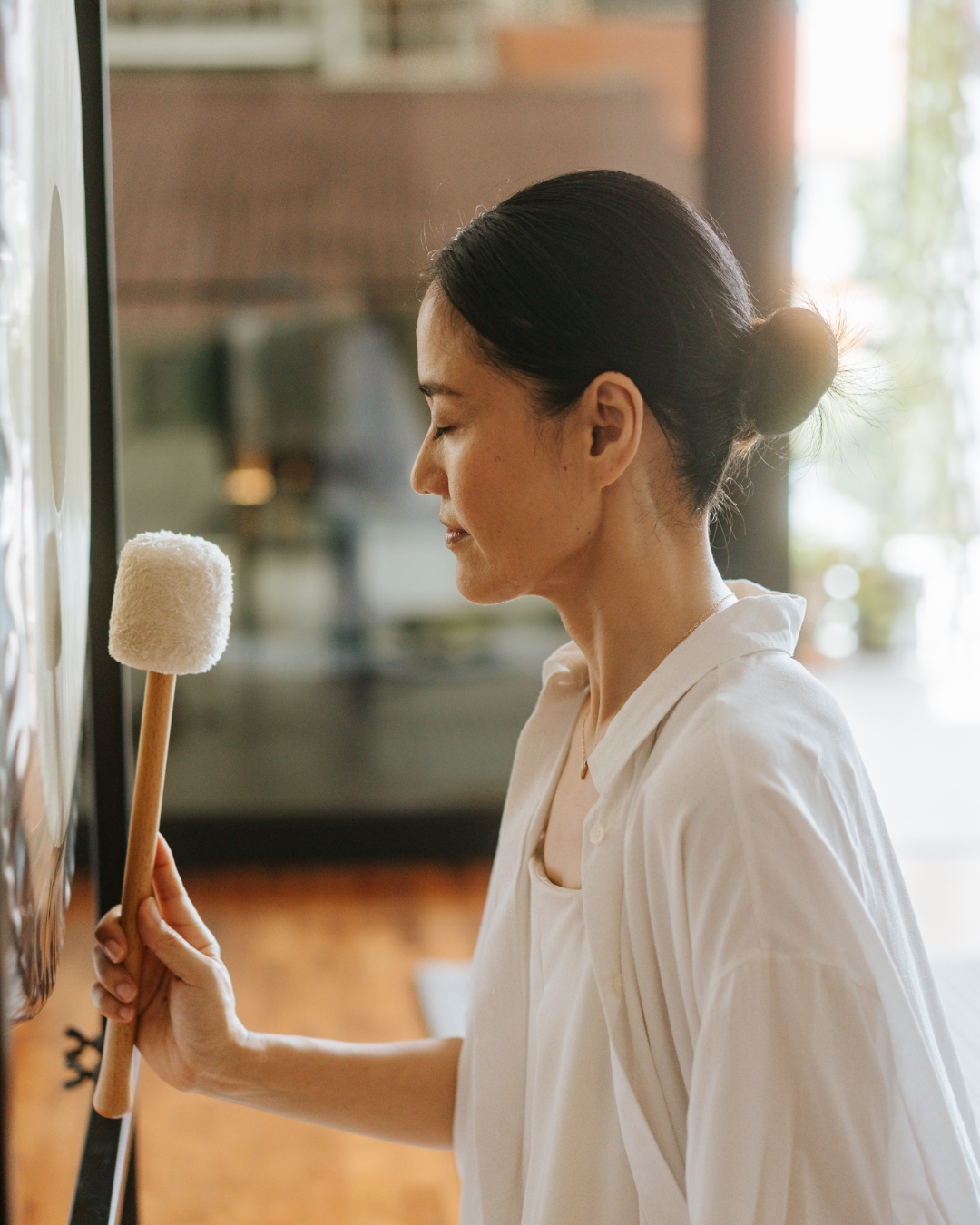
Day 3 — Exploration of other Sound Tools such as Gong to Understand Harmony and Sound Journey Design
Students learn how to create an immersive sound experience with depth, spaciousness, and sensitivity. The focus is on using instruments intentionally, rather than adding too many sounds without structure.
Learning Milestones:
Introduction to gong as a complementary sound therapy instrument
Safe use of volume, intensity, crescendo and silence
Harmonic layering and facilitating ‘altered-states’ to help to break cognitive patterns and unwind the body naturally
Basic music and harmony principles for all sound journeys
How to combine instruments without overwhelming the nervous system
Sound journey structure: arrival, grounding, deepening, peak, silence and return
Respectful use of energetic and subtle-body frameworks, ethical applications of ancient wisdom within modern context
Practice Milestones:
Foundational gong techniques
Gong crescendo and soft playing
Playing and harmonic layering
Combining Himalayan bowls, gong, chimes, bells and silence
Creating sound bath flow
Small group facilitation and feedback
Day 4 — Integration and Embodiment as a Sound Practitioner
Students learn how to design and facilitate safe, structured, and meaningful sound therapy sessions for individuals and groups.
This day focuses on trauma-aware facilitation, client communication, ethical boundaries, supervised practice, and the next steps for becoming a responsible practitioner.
Learning Milestones:
Structure of group sound baths and private sound therapy sessions
Client intake, check-in, check-out, and aftercare
Trauma-aware facilitation
Designing sessions
Ethics, confidentiality, boundaries, referrals, and scope of practice
Practitioner pathway, practice hours, case studies, and next steps
Practice Milestones:
Designing a private sound therapy session
Creating a complete group sound bath sequence
Role-play and real-life facilitation scenarios
Supervised practicum
Peer and teacher feedback
Self-reflection and integration
Closing sound ceremony
Sign Up

Please paynow to “SOMA COLLECTIVE PTE LTD” using this QR code and indicate that you have made payment in the message in your form response.
Training Syllabus
This training is designed as a 30-hour practitioner journey combining theory, experiential practice, reflective inquiry, partner work, supervised facilitation, and integration.
Students learn how to use Himalayan Singing Bowls, foundational gong practice, silence, and complementary sound instruments within a nervous-system-informed and trauma-aware approach.
Theory
What is sound healing or sound therapy?
The science behind sound healing / sound therapy
The art of presence and mindfulness
The science of the nervous system and polyvagal theory
Trauma-informed awareness and ethical practice
Energy principles and energy physiology
Somatic resonance and awareness
Power of mind-body medicine
Practicum
Experiential learning and practice
Cultivate a strong foundation in sequencing
How to hold the space in group sound bath sessions and private sound therapy
Compassionate support for client
Partner practice
Mentoring support and 5 complimentary sound bath sessions at Soma Haus
Teaching Methodology
Hands on teaching
Simple & practical use of singing bowls and other instruments such as gong
Practice and feedback
Experiential and intuitive process (deep listening skills)
Self-study & self-practice
Holistic lens pf Mindfulness. Polyvagal and energy physiology
Training Outcome
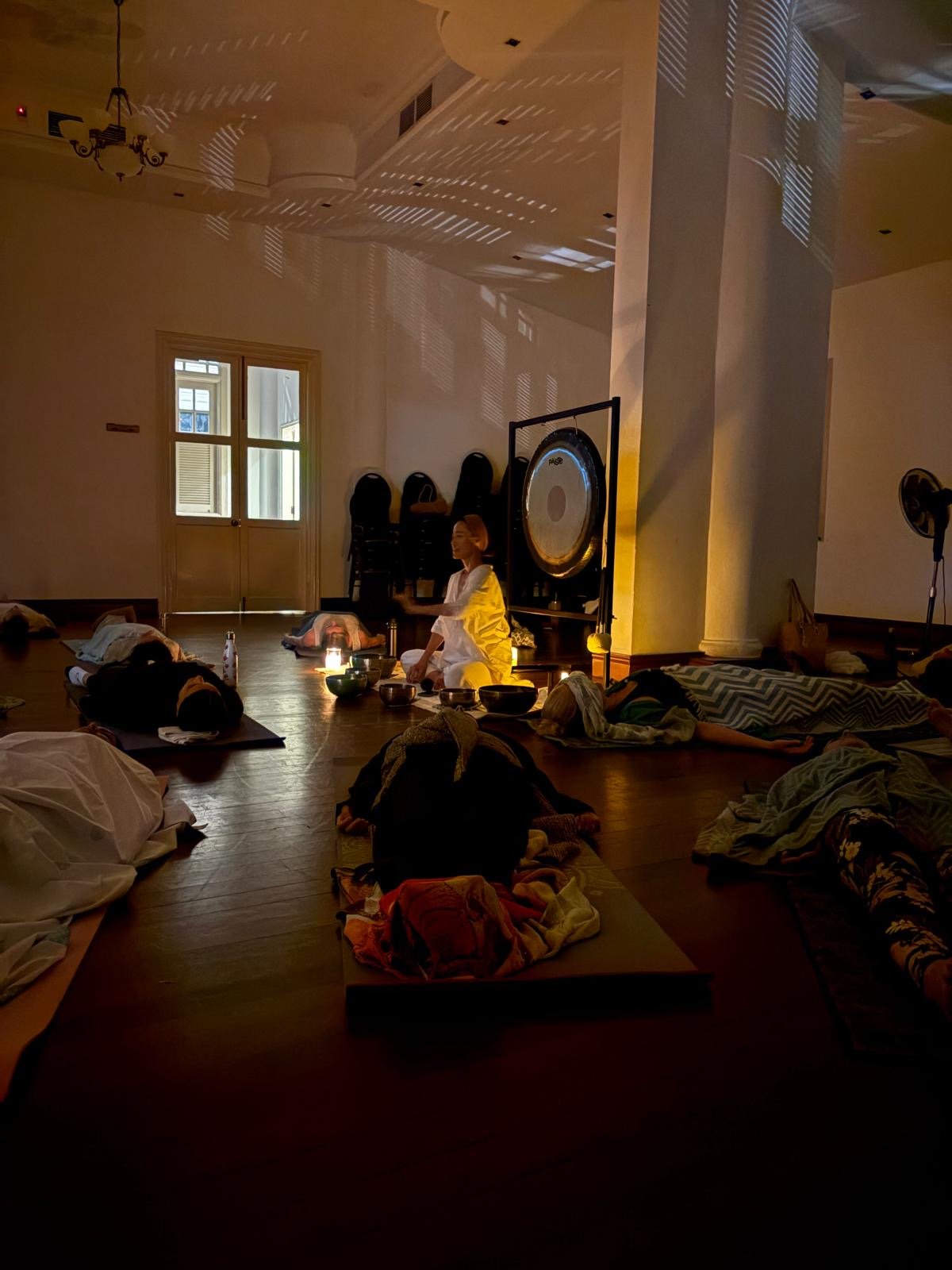
Understand sound therapy as a complementary wellness practice
Explain how sound, vibration, rhythm, harmony, and silence may support relaxation and nervous system regulation
Facilitate sound-based experiences using Himalayan Singing Bowls, gong, and complementary instruments
Create safe and structured sound bath experiences for groups
Design simple private sound therapy sessions within a wellness-based scope of practice
Apply trauma-aware principles and create an ethical practice
Recognise sound sensitivity, contraindications, and when to refer clients to qualified healthcare professionals
Communicate the benefits of sound therapy responsibly without overclaiming
Develop confidence in holding space with clarity, compassion, and ethical awareness
Begin building a responsible sound therapy practice rooted in presence, humility, and care

About your Trainer

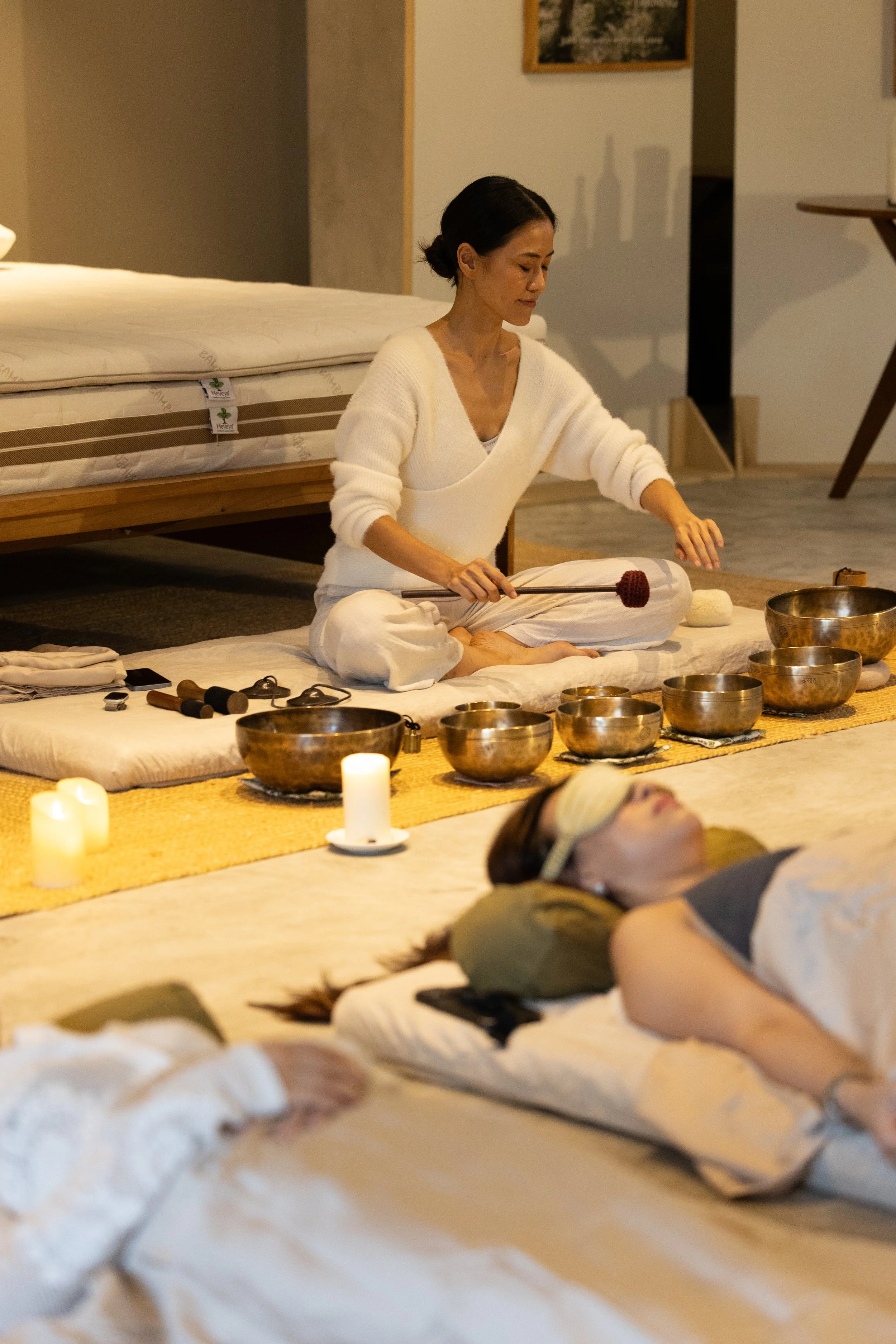
Mayuko is a certified Singing Bowl Practitioner, Yoga Teacher, Mindfulness Coach and Nonviolent Communication (NVC) Practitioner. She is dedicated to offering comprehensive guidance and support to her clients, empowering them to cultivate inner peace and achieve optimal well-being.
Since discovering the therapeutic power of singing bowl sound therapy, Mayuko has integrated these practices into her daily practice. She holds a deep conviction in the importance of harmonising the body, mind and heart. Through her work, she aspires to create a warm and sacred space, both within and around us, inviting individuals to reconnect with the present moment and restore inner alignment.
FAQs
-
This training is open to beginners as well as experienced practitioners who feel called to explore sound, mindfulness, nervous system awareness, and embodied facilitation.
It may be especially suitable for:
Yoga teachers and meditation facilitators
Sound bath and wellness practitioners
Coaches, counsellors, therapists, and mental health professionals
Bodyworkers, massage therapists, somatic practitioners, and energy workers
Healthcare professionals and educators
Retreat facilitators and community space holders
Parents, caregivers, and anyone interested in self-care
Anyone curious about using sound for personal growth or professional development
No prior sound therapy, music, mindfulness, or therapeutic experience is required.
-
By the end of the training, you will have the foundation to:
Facilitate simple sound-based experiences for yourself and others
Create grounding and relaxation sequences
Design a basic group sound bath structure
Understand how sound may support relaxation and nervous system regulation
Use Himalayan Singing Bowls, foundational gong practice, and complementary instruments with greater confidence
Apply trauma-aware principles and understand what is an ethical practice
Hold space with more presence, compassion, and ethical awareness
This training gives you a strong foundation. Continued practice, reflection, supervision, and case studies are encouraged before offering sessions professionally.
-
No. Owning bowls is not required. This training emphasises self-care, mindfulness, and the art of holding space as the foundation of sound therapy.
Learning how to be present, create a safe environment, and facilitate therapeutic sessions is far more important than having your own equipment at this stage.
Bowls and other tools will be provided during practice sessions, allowing you to fully engage in the learning process before committing to purchasing your own.
We can help you order the bowls when you feel ready to make that commitment.
-
No musical training or prior experience is required. This training is not about performing music; it’s about using sound as a therapeutic tool, cultivating presence, mindfulness, and the ability to hold space.
Skills in listening, compassion, and creating a safe environment are far more important than musical ability.
-
Yes, the training is designed to support beginners and experienced practitioners alike. Exercises and teachings will be guided to meet different levels of experience.
-
Both! The training supports personal self-care, mindfulness, and nervous system awareness, while equipping participants with the skills to facilitate therapeutic sound bath sessions for others.
-
We recommend attending all sessions to fully benefit from the experiential learning.
Partial make-up may be discussed on a case-by-case basis with an additional fee required for private tutoring.
-
Yes, this will certify you as a Sound Therapy Practitioner; however, ethical practice in the healing / therapeutic profession will require participants to complete a recommended 100 contact hours of practice & mentoring. This includes hosting sessions, going for personal practice, studying and learning the modality outside of this training, mentoring hours with facilitator, observation hours in class etc.
For those who wish to pursue sound therapy as a profession or integrate it into their existing practice, we encourage continued mentorship, hands-on experience, and a commitment to ethical, client-centred care. The facilitator and mentor will assess suitability after the recommended hours have been met.
-
Write to us with your request, explaining why you are seeking the scholarship and how this training will benefit your practice or personal growth. All requests are reviewed at our discretion.
-
We structured the training to encourage self-practice and reflection, and included the classes to help with deeper embodiment.
Should you need an extension, an additional 50 SGD fee is required for 1 month validity.
Not sure if this training is right for you?
We offer a free 15-minute discovery call where you can:
Ask questions about the training content and approach.
Learn how singing bowl / sound therapy can benefit you
Explore whether this program aligns with your personal or professional journey.